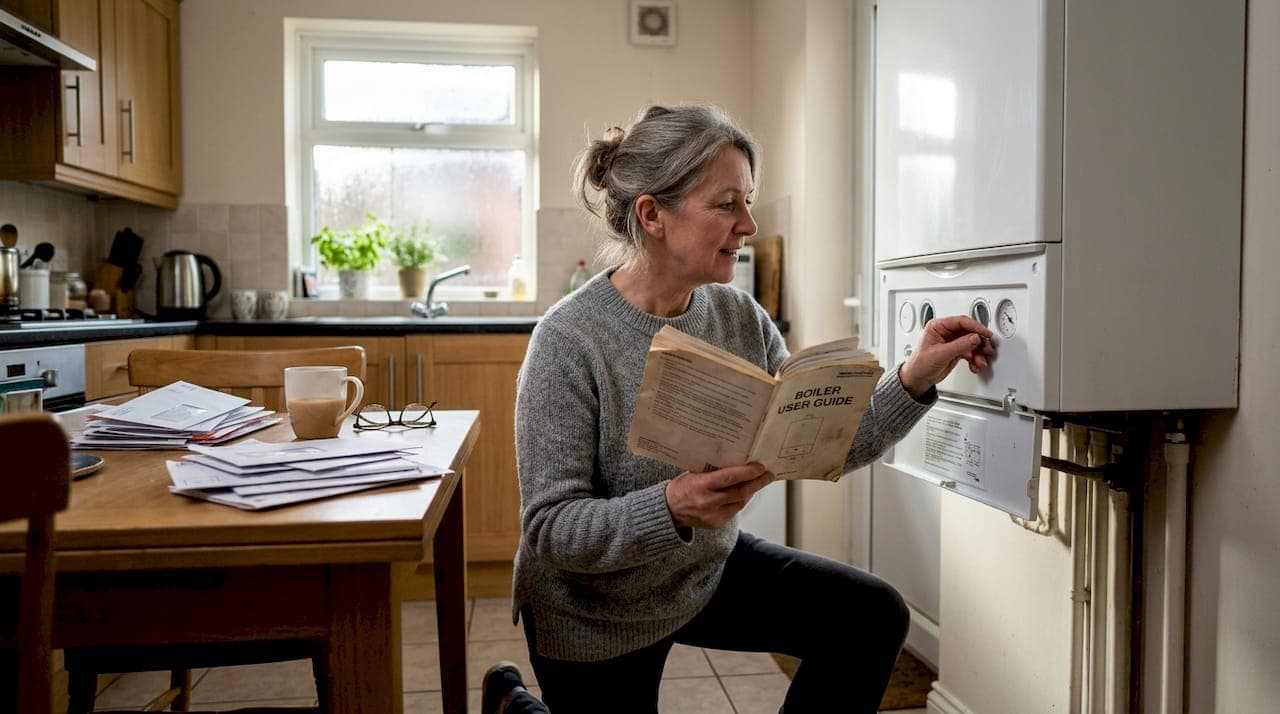
Picture waking up on a frosty Thames Valley morning to find your heating system completely unresponsive. The house feels like an icebox, and panic sets in as you realise your family's comfort depends on swift action. Understanding the emergency heating repair process transforms this stressful situation into a manageable challenge. This comprehensive guide walks Thames Valley homeowners through every step of handling heating emergencies, from initial diagnosis through successful resolution, ensuring you regain warmth and comfort as quickly as possible whilst maintaining safety throughout.
Table of Contents
- Key Takeaways
- Understanding the problem: common causes of heating emergencies
- Preparing for the emergency repair
- Step-by-step emergency heating repair process
- Verifying the repair and preventing future emergencies
- Find reliable emergency heating repair in Thames Valley
- Frequently asked questions
Key Takeaways
| Point | Details |
|---|---|
| Immediate safety checks | On detecting a fault prioritise safety by turning off the heating and shutting the gas supply if you suspect a leak. |
| Emergency kit ready | Maintain a dedicated emergency heating kit containing an adjustable spanner, spare fuses, absorbent cloths, a torch and the boiler manual. |
| Regular servicing essential | Annual Gas Safe servicing prevents most breakdowns by flushing sludge and confirming safety controls are functioning. |
| Test after repair | After any repair or adjustment test the heating system and safety features to confirm a successful resolution. |
Understanding the problem: common causes of heating emergencies
Heating failures rarely occur without warning signs, yet many Thames Valley homeowners remain unaware of the underlying culprits until systems fail completely. The region's notorious hard water accelerates limescale accumulation inside boilers and pipes, creating blockages that restrict water flow and force components to work harder than designed. Over months and years, this mineral buildup gradually degrades heating efficiency before triggering complete failure.
Sediment sludge presents another silent threat lurking within heating systems. This dark, magnetic debris accumulates at the bottom of radiators and inside boiler heat exchangers, reducing thermal transfer efficiency and eventually causing pumps to seize or boilers to overheat. Thames Valley's water chemistry makes this problem particularly acute, with many older systems containing years of accumulated contamination.
Several specific failures commonly trigger emergency callouts:
- Thermostat malfunctions preventing proper temperature control and system activation
- Pilot light extinguishing due to draught, faulty thermocouple, or gas supply interruption
- Frozen condensate pipes during cold snaps blocking boiler operation
- Circulation pump seizure from sludge buildup or electrical failure
- Pressure loss through tiny leaks or faulty pressure relief valves
Annual Gas Safe servicing prevents 95% of breakdowns by catching sludge accumulation early and addressing component wear before catastrophic failure occurs. Regular maintenance allows engineers to flush systems, replace worn parts, and verify safety controls function correctly. For Thames Valley homeowners dealing with hard water, this preventative approach proves far more cost-effective than emergency repairs.
"Thames Valley's hard water accelerates limescale formation, making annual professional servicing essential rather than optional for maintaining heating system reliability and preventing costly emergency breakdowns."
Neglecting heating system maintenance creates genuine safety risks beyond mere discomfort. Faulty boilers can produce carbon monoxide, an odourless, colourless gas that kills without warning. Cracked heat exchangers, blocked flues, and incomplete combustion all generate this deadly threat. Understanding these plumbing tips for homeowners helps identify warning signs before emergencies develop. When heating problems arise, central heating repairs in Newbury provide professional solutions backed by proper safety certification.
Preparing for the emergency repair
When heating failure strikes, having essential tools and supplies immediately accessible dramatically reduces stress and speeds resolution. Every Thames Valley household should maintain a dedicated emergency heating kit containing an adjustable spanner for bleeding radiators, replacement fuses for electrical components, absorbent cloths for catching drips, and a reliable torch for inspecting dark boiler cupboards. Keep your boiler manual in this kit alongside emergency contact numbers for certified professionals.
Your first action upon discovering heating failure must prioritise safety above convenience. Turn off the heating system using the programmer or thermostat, then locate and close the gas isolation valve if you suspect any gas-related issues or smell the distinctive odour added to natural gas. This valve typically sits on the gas pipe entering your boiler, requiring a quarter turn to close. Never attempt repairs with the gas supply active unless you hold Gas Safe certification.
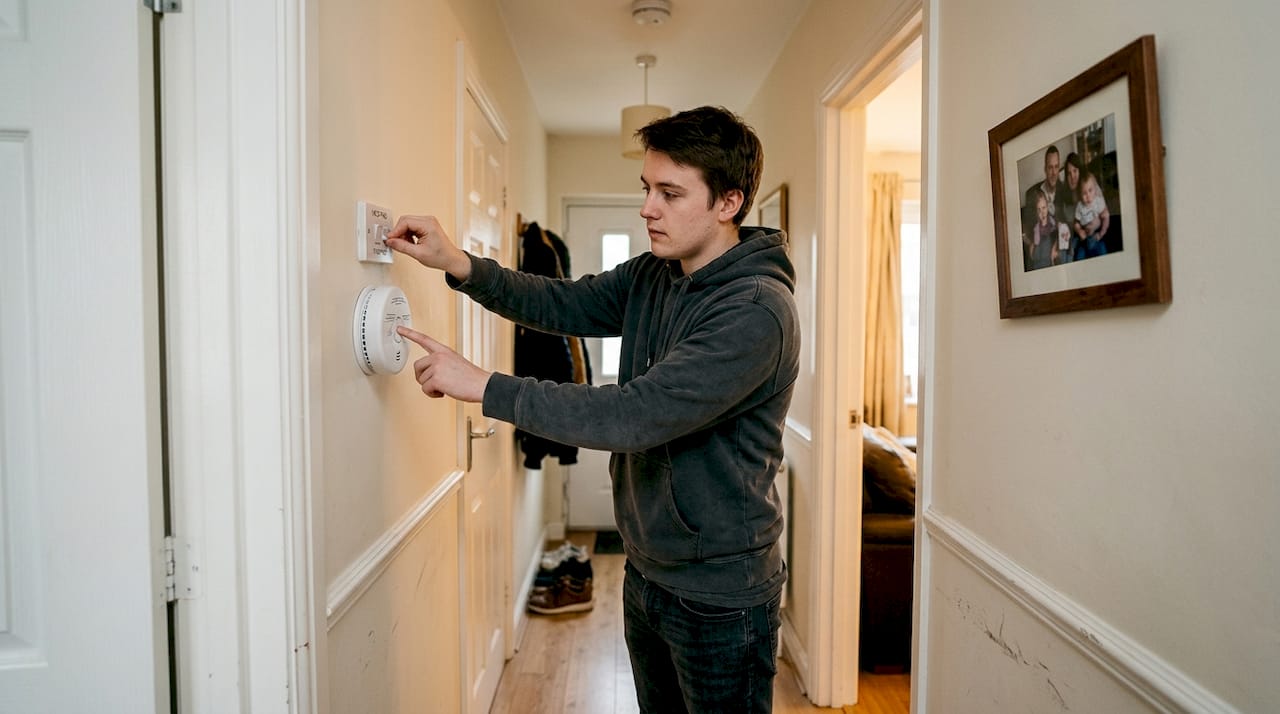
Conduct a systematic visual inspection before calling for help. Check the boiler pressure gauge, which should read between 1.0 and 2.0 bar when cold. Examine the pilot light through the viewing window if your boiler has one. Look underneath the boiler and around pipe connections for signs of water leakage. Inspect the condensate pipe exiting your boiler, as this small plastic pipe frequently freezes during cold weather, causing modern condensing boilers to shut down protectively.
Maintaining current contact details for dependable plumbers in Newbury ensures rapid professional response when DIY solutions prove inadequate. Research and save these numbers before emergencies occur, verifying engineers hold proper Gas Safe registration and offer 24-hour emergency callout services. Understanding basic plumbing tips for homeowners helps you communicate problems clearly when requesting assistance.
Pro Tip: Create a laminated card listing your boiler model, installation date, last service date, and emergency contact numbers. Attach this to your boiler cupboard door using magnetic strips for instant access during stressful situations when memory fails.
Annual Gas Safe servicing prevents 95% of breakdowns by identifying potential failures before they occur. This preparation investment pays dividends by reducing emergency callout frequency and extending equipment lifespan significantly.
Step-by-step emergency heating repair process
Systematic troubleshooting separates successful DIY fixes from situations requiring professional intervention. Follow these steps sequentially, stopping immediately if any action feels unsafe or beyond your capability.
-
Check and reset thermostat functions. Verify the thermostat displays correctly and shows a temperature setting above current room temperature. Replace batteries if the display appears dim or blank. Increase the target temperature by several degrees and listen for the boiler attempting to fire. Check timer settings haven't accidentally switched to off periods.
-
Inspect and relight the pilot light safely. For boilers with standing pilot lights, look through the viewing window to confirm whether the small blue flame burns steadily. If extinguished, consult your boiler manual for the specific relighting procedure, which typically involves holding a reset button whilst using the piezo igniter. Never use matches or lighters near gas appliances.
-
Bleed radiators to remove trapped air. Starting with ground floor radiators, insert a radiator key into the bleed valve at the top corner. Hold a cloth underneath and turn anticlockwise slowly until you hear hissing air escaping. Once water appears, close the valve immediately. Repeat for all radiators, then recheck boiler pressure.
-
Check and adjust boiler pressure. If the pressure gauge reads below 1.0 bar, locate the filling loop underneath your boiler. Open both valves slowly whilst watching the pressure gauge rise. Close the valves when pressure reaches 1.5 bar. Never exceed 2.0 bar, as this triggers the pressure relief valve.
-
Recognise when professional help becomes essential. Warning signs requiring immediate expert attention include gas smells, unusual banging or kettling noises, visible water leaks, error codes displayed on digital boilers, and systems that repeatedly lose pressure or fail to maintain temperature.
| Issue | Safe DIY fix | Call emergency plumber when |
|---|---|---|
| No heating | Check thermostat, timer, and pilot light | Gas smell present or repeated pilot light failure |
| Cold radiators | Bleed radiators and check pump operation | Pump makes grinding noises or radiators stay cold |
| Low pressure | Repressurise using filling loop | Pressure drops repeatedly or visible leaks exist |
| Frozen condensate | Pour warm water over external pipe | Pipe location inaccessible or boiler shows error codes |
| Thermostat issues | Replace batteries and adjust settings | Wiring exposed or thermostat physically damaged |
Pro Tip: Never tamper with gas valves, burner assemblies, or internal boiler components beyond basic user-accessible controls. Gas Safe regulations exist to protect homeowners from explosion and carbon monoxide risks that only certified engineers can safely manage.
Understanding these boundaries between safe homeowner actions and situations requiring emergency plumber Newbury services prevents dangerous mistakes. Professional central heating repairs in Newbury combine technical expertise with proper safety certification, ensuring repairs meet legal standards whilst restoring comfort efficiently.
Annual Gas Safe servicing prevents 95% of breakdowns by maintaining optimal system performance and catching developing faults before they escalate into expensive emergency repairs requiring urgent professional intervention.
Verifying the repair and preventing future emergencies
Successful repair completion requires thorough verification rather than simply observing the boiler firing up. Run your heating system continuously for at least 30 minutes whilst monitoring performance across multiple indicators. Check that all radiators heat evenly from top to bottom, indicating proper circulation and absence of air pockets. Feel each radiator, starting from those nearest the boiler and progressing to the furthest, confirming consistent temperature throughout your home.
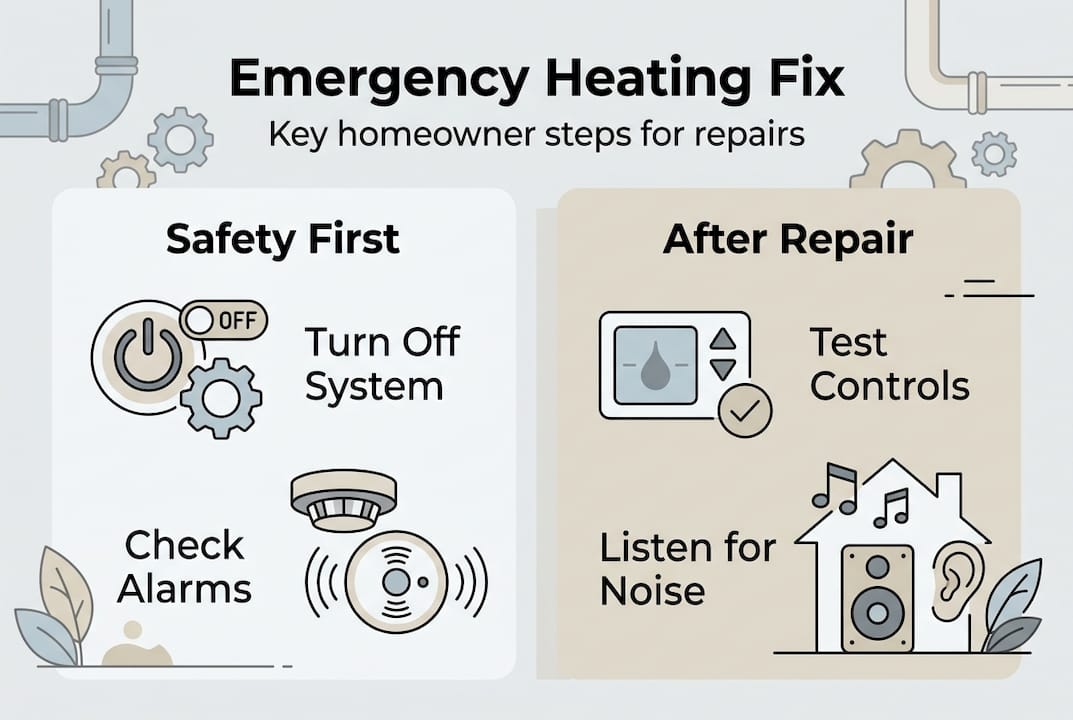
Listen carefully for unusual sounds indicating incomplete resolution. Banging, whistling, or gurgling noises suggest trapped air, sludge movement, or pump struggles that may herald imminent failure. Watch for water drips around pipe joints, radiator valves, and underneath the boiler itself. Even tiny leaks waste water, reduce system pressure gradually, and indicate deteriorating seals requiring attention.
| Verification test | Expected timeframe | Normal result | Warning signs |
|---|---|---|---|
| Initial boiler firing | 30-60 seconds | Smooth ignition with steady flame | Multiple attempts or loud banging |
| Radiator heating | 10-15 minutes | Even warmth top to bottom | Cold spots or single cold radiator |
| Pressure stability | 30 minutes running | Gauge steady between 1.0-2.0 bar | Visible pressure drop |
| Hot water delivery | 2-3 minutes | Consistent temperature | Fluctuating or lukewarm water |
| System shutdown | Immediate | Clean stop when thermostat satisfied | Continued firing or cycling |
Preventing future emergencies requires proactive maintenance rather than reactive repairs. Implement these essential practices:
- Schedule annual Gas Safe registered engineer servicing before winter heating season begins
- Flush heating systems every five years to remove accumulated sludge and restore efficiency
- Install magnetic filters to capture metallic debris before it damages pumps and valves
- Consider water softener installation to combat Thames Valley's aggressive hard water chemistry
- Monitor boiler pressure weekly during heating season, addressing drops promptly
- Insulate external condensate pipes to prevent freezing during cold snaps
Pro Tip: Annual Gas Safe servicing prevents 95% of breakdowns by identifying component wear, cleaning critical parts, and verifying safety controls function correctly. Schedule this appointment in September before heating demand peaks, ensuring engineers have greater availability and can address issues before cold weather arrives.
Regular professional attention to central heating repairs in Newbury maintains system reliability whilst protecting your investment in home comfort. Combining preventative servicing with smart saving water and energy at home practices reduces running costs and environmental impact simultaneously.
Find reliable emergency heating repair in Thames Valley
When heating emergencies strike despite your best prevention efforts, having a trusted professional partner makes all the difference between extended discomfort and rapid resolution. 999Plumber delivers round-the-clock emergency heating repairs specifically for Thames Valley homeowners, understanding the unique challenges posed by local water conditions and typical system configurations found throughout the region.

Our experienced engineers recognise how Thames Valley's hard water accelerates component wear and creates maintenance challenges unfamiliar to engineers from softer water areas. This local expertise translates into faster diagnosis and more effective long-term solutions that address root causes rather than merely treating symptoms. Fast response times ensure minimum disruption to your daily routine, with most emergency callouts attended within hours rather than days.
Comprehensive services span everything from urgent boiler repairs and radiator bleeding through complete system maintenance and upgrades. Whether you need immediate 24hr emergency call out assistance or want to discuss preventative maintenance options, our emergency plumber and electrician in Newbury team provides straightforward, honest advice without pressure or hidden charges. Explore our complete central heating repair services to discover how we keep Thames Valley homes warm and comfortable year-round.
Frequently asked questions
How quickly can emergency heating repairs be completed?
Emergency heating repairs typically complete within 2-4 hours for straightforward issues like thermostat replacement, pilot light problems, or pressure adjustments. Complex boiler component failures may require parts ordering, extending resolution to 24-48 hours. Contacting a 24hr emergency plumbing service immediately maximises your chances of same-day resolution.
What should I do if my heating stops working suddenly?
First, check your thermostat settings and boiler pressure gauge to eliminate simple causes. Turn off the heating system and gas supply if you detect gas odours or suspect leaks. Avoid attempting complex repairs yourself, instead seeking professional emergency assistance. Keep emergency contact numbers for local certified plumbers readily accessible. Review these plumbing tips for homeowners for additional guidance on initial assessment steps.
How can I prevent future heating emergencies?
Arrange annual Gas Safe registered boiler servicing to identify developing issues before they cause failures. Annual servicing prevents 95% of breakdowns by maintaining optimal performance and catching problems early. Flush your heating system every five years to remove damaging sludge accumulation. Consider installing a water softener to combat Thames Valley's hard water effects on heating components. Monitor system pressure and pilot light status regularly, following energy saving tips for homes to reduce system strain.
Can I relight my boiler pilot light myself safely?
Most modern boilers allow homeowners to relight pilot lights following manufacturer instructions in the user manual. This typically involves holding a reset button whilst using the built-in piezo igniter. Never use matches or external lighters near gas appliances. If the pilot light repeatedly extinguishes or you smell gas, stop immediately and contact a Gas Safe registered engineer. Some newer boilers use electronic ignition without standing pilots, requiring professional diagnosis when failing to fire.
Why does my boiler keep losing pressure?
Pressure loss typically indicates either a slow leak somewhere in the heating system or a faulty pressure relief valve releasing water unnecessarily. Check visible pipe joints, radiator valves, and underneath the boiler for damp patches or water stains. External condensate pipes sometimes develop splits, causing pressure drops. If you cannot locate obvious leaks but pressure continues falling, professional leak detection equipment may be necessary to identify hidden problems within walls or under floors.