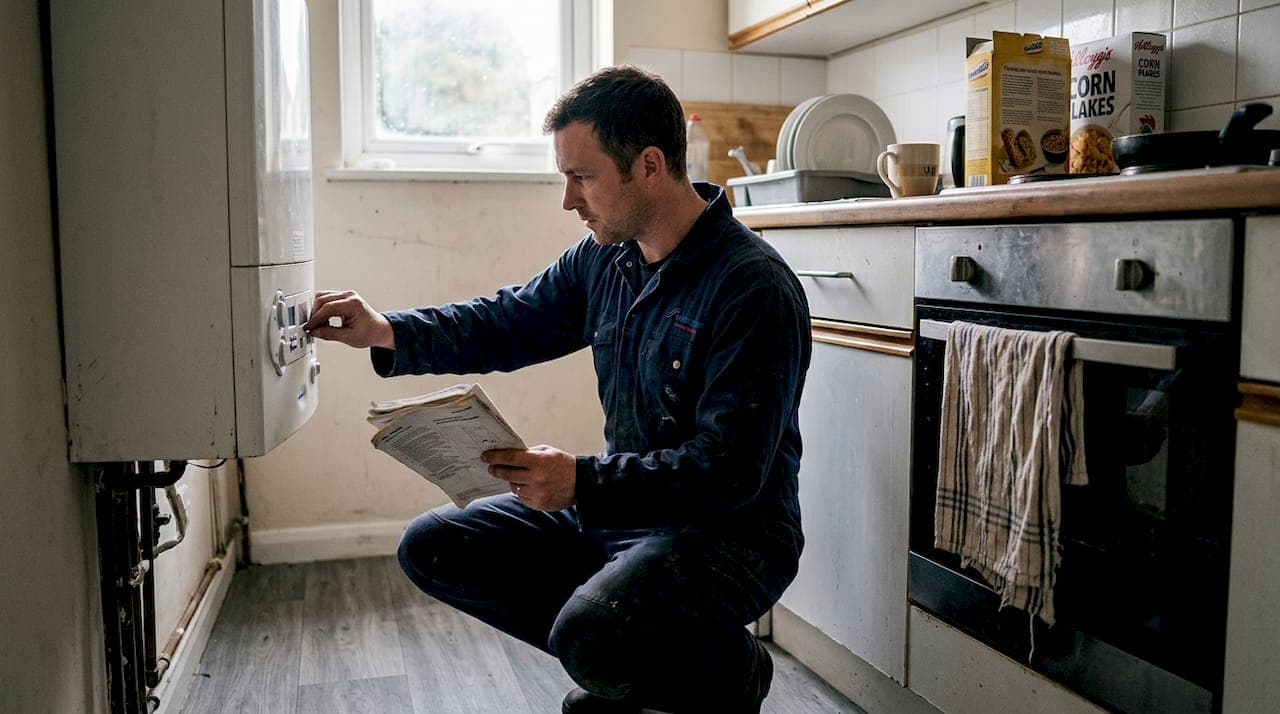
Many homeowners assume any plumber can fix their boiler or radiators, but heating engineers are specialist professionals trained specifically for these tasks. Unlike general plumbers who focus on water supply and drainage, heating engineers hold qualifications like Gas Safe certification to work safely on boilers, heating controls, and gas appliances. Understanding what heating engineers do, when to call them, and how they protect your home's comfort and safety can save you time, money, and stress. This guide explains their role, common heating problems they solve, and how Thames Valley residents can find reliable local experts for installations, repairs, and servicing.
Table of Contents
- Key Takeaways
- What does a heating engineer do?
- Common heating issues and how engineers fix them
- How heating engineers improve energy efficiency and safety
- How to find and choose a heating engineer in Thames Valley
- Find trusted heating engineers in Thames Valley today
- Frequently asked questions
Key Takeaways
| Point | Details |
|---|---|
| Specialist heating engineers | Heating engineers install, service, repair and maintain boilers, radiators, controls and related systems, bringing expertise beyond general plumbing. |
| Gas Safe certification | Many heating engineers hold Gas Safe registration, which is legally required to work on gas appliances and to conduct safety checks for leaks and carbon monoxide. |
| Annual servicing saves money | Regular annual servicing helps prevent breakdowns, protects warranties and improves overall energy efficiency. |
| Smart controls upgrades | Upgrading to smart thermostats and modern controls helps manage temperatures more efficiently and reduces energy bills. |
What does a heating engineer do?
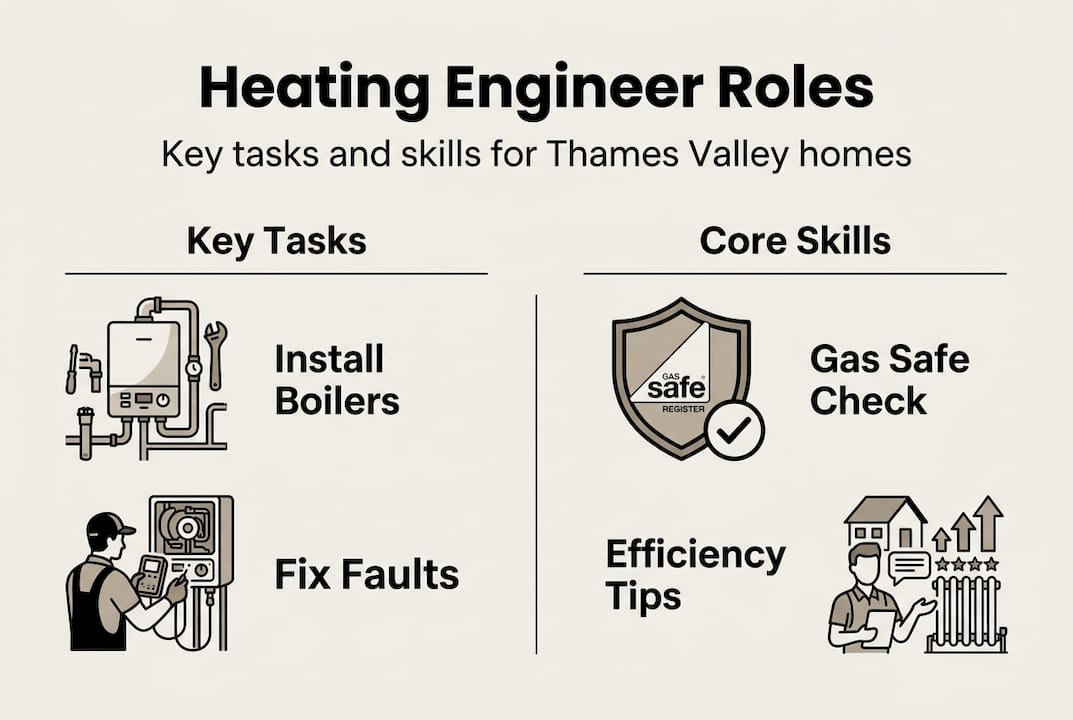
A heating engineer is a qualified specialist who installs, services, repairs, and maintains heating systems including boilers, radiators, underfloor heating, controls, and sometimes renewables like heat pumps. Their expertise goes far beyond simple repairs. They design heating layouts for new installations, calculate heat requirements for different room sizes, and ensure your entire system works as an integrated unit rather than isolated components.
Their daily work involves diagnosing faults in complex heating systems, replacing worn parts like pumps and valves, and upgrading outdated equipment to meet current efficiency standards. They conduct safety checks for gas leaks and carbon monoxide to protect homeowners, using specialised detection equipment that identifies hazards invisible to the naked eye. Many hold Gas Safe Register certification, essential for working safely on gas appliances, which is a legal requirement in the UK for anyone working with gas.
Heating engineers ensure systems operate efficiently and safely, improving energy use and reducing your bills. They balance radiators so each room reaches the right temperature, bleed air from systems to eliminate cold spots, and calibrate thermostats for accurate temperature control. When you need central heating repairs in Newbury, a qualified heating engineer brings tools and knowledge that general tradespeople simply don't possess.
Their typical responsibilities include:
- Installing new boilers and connecting them to existing pipework and controls
- Servicing heating systems annually to prevent breakdowns and maintain warranties
- Repairing faulty components like pumps, valves, thermostats, and heat exchangers
- Power flushing systems to remove sludge that reduces efficiency
- Upgrading controls to smart thermostats for better temperature management
- Testing flue gases to ensure safe combustion and proper ventilation
Pro Tip: Always verify your heating engineer's Gas Safe registration number on the official Gas Safe Register website before allowing any work on gas appliances. This simple check protects you legally and ensures the engineer has current, valid qualifications for safe gas work.
Common heating issues and how engineers fix them
Heating systems develop predictable faults over time, and recognising early warning signs helps you avoid complete breakdowns during cold weather. Common faults handled include low boiler pressure, leaks, kettling or noisy operation, no heating or hot water, radiator cold spots due to air or sludge, frozen condensate pipes, and thermostat failures. Each problem has distinct symptoms that heating engineers use to diagnose the underlying cause quickly.
Low boiler pressure typically shows on your boiler's gauge as a reading below 1 bar, causing radiators to heat poorly or not at all. Engineers restore pressure by adding water through the filling loop, but they also investigate why pressure dropped, checking for leaks in pipes, radiators, or the boiler itself. Leaks often appear as damp patches near pipework or drips from radiator valves, requiring valve replacement or pipe repairs.
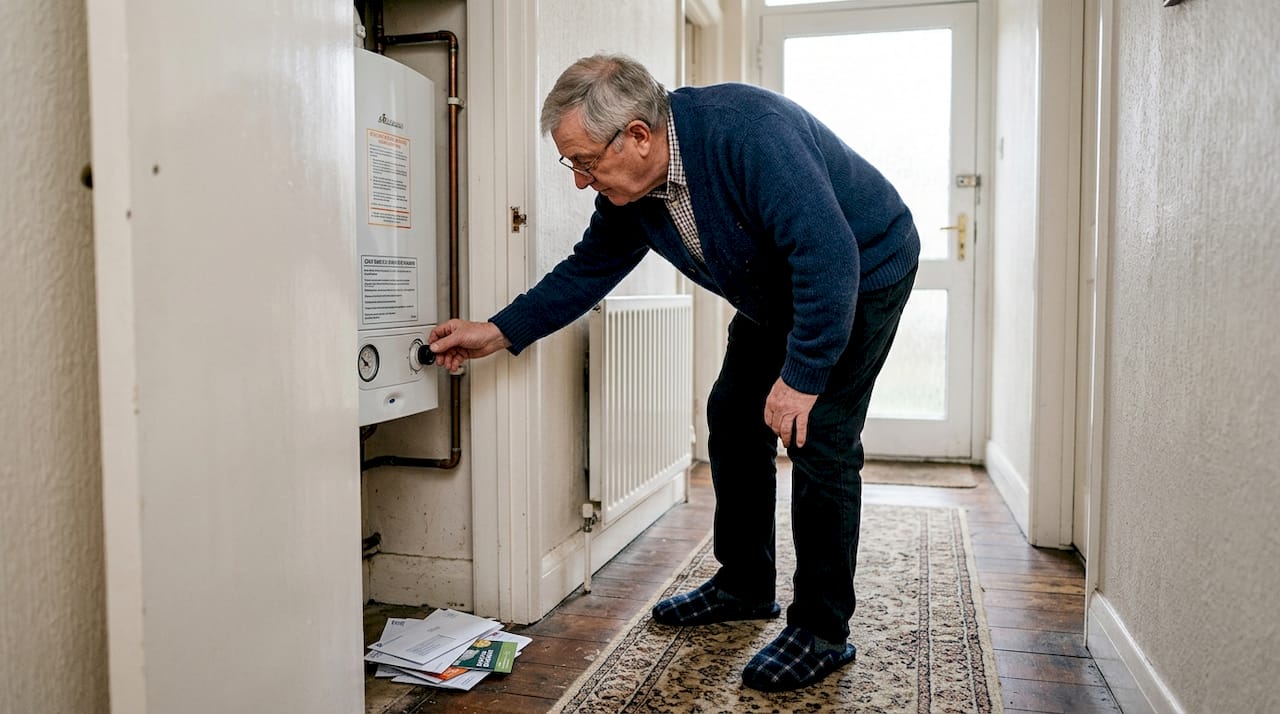
Kettling produces rumbling or whistling sounds from your boiler, usually caused by limescale buildup on the heat exchanger in hard water areas. This reduces efficiency and can lead to complete boiler failure if ignored. Heating engineers descale the heat exchanger or recommend a power flush to remove debris throughout the system. Cold spots on radiators indicate trapped air or sludge accumulation, fixed by bleeding radiators or flushing the entire system with cleaning chemicals.
When diagnosing a typical boiler fault, heating engineers follow this systematic process:
- Check error codes displayed on the boiler's control panel to identify specific faults
- Test electrical connections and components like the ignition system and flame sensor
- Inspect gas supply and pressure to ensure adequate fuel delivery
- Examine the heat exchanger for blockages, leaks, or damage
- Verify pump operation and water circulation through the system
- Test safety devices including the pressure relief valve and thermostat
- Replace faulty components and restore the system to safe operation
Understanding normal operating parameters helps you spot problems early:
| Measurement | Normal range | Warning signs |
|---|---|---|
| Boiler pressure | 1.0 to 2.0 bar | Below 1.0 or above 2.5 bar |
| Flow temperature | 60 to 80°C | Above 85°C or below 50°C |
| Return temperature | 50 to 70°C | More than 20°C below flow |
| Radiator surface | Evenly warm | Cold spots or sections |
Frozen condensate pipes block the drainage of acidic water from condensing boilers, causing lockouts in freezing weather. Engineers thaw pipes carefully and may insulate or reroute them to prevent recurrence. Thermostat failures prevent accurate temperature control, leading to rooms that are too hot or too cold. Replacing faulty thermostats or upgrading to programmable models gives you better control and comfort.
Pro Tip: Annual servicing prevents most boiler breakdowns and maintains efficiency, with statistics showing serviced boilers are 60% less likely to fail unexpectedly. If you notice any unusual noises, smells, or performance changes, contact a 24hr emergency plumber in Newbury immediately rather than waiting for a complete failure.
How heating engineers improve energy efficiency and safety
Heating engineers deliver measurable improvements in both safety and running costs through strategic upgrades and maintenance. Modern condensing boilers are 92%+ efficient while older G-rated boilers are under 70%, with upgrades saving £320+ yearly on an average home. This efficiency gap translates directly to lower energy bills and reduced carbon emissions, making boiler replacement one of the most cost-effective home improvements available.
Comparing boiler types reveals significant differences in performance and value:
| Boiler type | Efficiency rating | Typical lifespan | Average annual savings |
|---|---|---|---|
| Modern condensing | 92% to 94% | 12 to 15 years | £320+ vs old boiler |
| Standard efficiency | 78% to 82% | 10 to 12 years | £150 vs old boiler |
| Old G-rated | Below 70% | 15+ years (past prime) | Baseline (replace now) |
| Combi boiler | 90% to 94% | 12 to 15 years | £320+ plus hot water savings |
Heating engineers carry out safety inspections for gas leaks and carbon monoxide risks, crucial for home safety. They use electronic gas detectors to check for leaks at every joint and connection, ensuring no dangerous gas escapes into your home. Carbon monoxide testing involves analysing flue gases to confirm complete combustion and proper ventilation, protecting you from this colourless, odourless killer that claims lives every year.
During servicing and installations, heating engineers implement practical energy-saving measures:
- Installing thermostatic radiator valves (TRVs) on each radiator for room-by-room temperature control
- Balancing the heating system so all radiators heat evenly and efficiently
- Adding pipe insulation in unheated spaces to reduce heat loss
- Upgrading to weather compensation controls that adjust heating based on outdoor temperature
- Fitting smart thermostats with learning algorithms that adapt to your routine
- Recommending optimal boiler flow temperatures for condensing operation
- Installing magnetic filters to capture system debris before it damages components
Pro Tip: Always choose a Gas Safe registered heating engineer for any upgrades or installations to ensure compliance with Building Regulations and maintain your home insurance validity. Unregistered work can void warranties and create serious safety hazards.
Balanced heating systems distribute heat evenly across all radiators, eliminating hot and cold rooms while reducing fuel waste. Engineers adjust lockshield valves on each radiator to control flow rates, ensuring distant radiators receive adequate hot water. Correct thermostat calibration prevents temperature overshoot, where rooms become uncomfortably warm before heating switches off, wasting energy and reducing comfort.
System efficiency improvements often combine multiple measures for maximum impact. Adding a magnetic filter protects your boiler from sludge damage while maintaining heat transfer efficiency. Upgrading controls gives you precise temperature management and scheduling flexibility. Power flushing removes years of accumulated debris, restoring circulation and heat output. Together, these measures can reduce heating costs by 20% to 30% while extending equipment life. For more ways to maintain your home systems, explore plumbing tips for homeowners that complement heating efficiency.
How to find and choose a heating engineer in Thames Valley
Selecting the right heating engineer protects your home, your budget, and your peace of mind. In Thames Valley areas such as Oxfordshire and Berkshire, local Gas Safe heating engineers handle maintenance, repairs, and installations for gas, oil, and LPG heating systems. The Gas Safe Register is the official list of qualified gas engineers, and checking registration is your first and most important step when hiring anyone for heating work.
Hiring Gas Safe registered engineers is legally required for gas appliance work and essential for safety. Unregistered engineers cannot legally work on gas systems, and using them invalidates your home insurance and puts your family at risk. Every registered engineer carries a Gas Safe ID card with their photo, registration number, and the types of gas work they're qualified to perform. Always ask to see this card and verify the details online before work begins.
Before hiring a heating engineer, ask these essential questions:
- Can I see your current Gas Safe registration card and verify your registration number?
- What specific experience do you have with my boiler make and model?
- Do you carry public liability insurance covering potential damage during work?
- Will you provide a detailed written quote before starting any work?
- What guarantees or warranties do you offer on parts and labour?
- Can you provide references from recent customers in my area?
- How quickly can you respond to emergency calls outside normal hours?
Local Thames Valley heating engineers typically offer comprehensive services including emergency repairs available 24/7, annual boiler servicing contracts, full central heating installations, boiler replacements and upgrades, radiator installations and repairs, heating controls and smart thermostat fitting, power flushing and system cleaning, and landlord gas safety certificates. This range of services means you can build a relationship with one trusted engineer for all your heating needs.
Pro Tip: Check online reviews on independent platforms like Trustpilot or Google, and ask neighbours for recommendations when selecting a heating engineer. Local reputation matters enormously, as engineers who live and work in your community depend on repeat business and word-of-mouth referrals.
Confirm insurance coverage and guarantees before contracting any work. Public liability insurance protects you if the engineer accidentally damages your property during repairs or installation. Parts and labour guarantees show the engineer stands behind their work, typically offering at least 12 months coverage on repairs. Manufacturer warranties on new boilers usually require annual servicing by a qualified engineer to remain valid, so ask about servicing contracts when having new equipment installed.
Look for engineers who communicate clearly, arrive punctually, and explain problems in plain language without unnecessary jargon. They should provide itemised quotes showing parts, labour, and any additional costs separately. Transparent pricing with no hidden fees builds trust and helps you make informed decisions. For reliable local service, consider dependable plumbers in Newbury who combine heating expertise with broader home maintenance skills.
Find trusted heating engineers in Thames Valley today
Your heating system deserves expert care from qualified professionals who understand local needs and respond rapidly when problems arise. Whether you need routine servicing to keep your boiler running efficiently, emergency repairs when heating fails unexpectedly, or complete system installations for upgrades or new properties, experienced heating engineers in Thames Valley stand ready to help.

With 24hr emergency call-out services, no heating issue goes unattended, even during the coldest winter nights. Local engineers bring specialist knowledge of Thames Valley properties, understanding the specific challenges of hard water areas, older housing stock, and the mix of gas and oil systems common in the region. They arrive equipped with common parts and diagnostic tools, minimising delays and getting your heating working quickly. For comprehensive heating solutions, explore central heating repairs in Newbury that combine expertise with transparent pricing and reliable service. When emergencies strike outside normal hours, 24hr emergency plumber in Newbury services ensure you're never left in the cold. Connect with dependable plumbers in Newbury today to schedule servicing or discuss your heating needs.
Frequently asked questions
What qualifications does a heating engineer have?
Heating engineers typically hold Gas Safe certification and have specialised training in boiler and heating system installation and repair. This ensures they meet legal and safety standards required for working with gas appliances. Many also complete manufacturer-specific training for particular boiler brands, giving them detailed knowledge of those systems. Additional qualifications may include City & Guilds diplomas in plumbing and heating, NVQs in heating and ventilation, and renewable technology certifications for heat pumps.
How often should I have my heating system serviced?
A qualified heating engineer should service your heating system once a year to prevent faults and maintain safety. Annual servicing prevents common boiler problems and keeps systems running efficiently. Regular servicing helps spot early issues like worn seals, corroded components, or pressure problems before they cause complete breakdowns. Most boiler manufacturers require annual servicing to maintain warranty coverage, making it essential for protecting your investment.
Can heating engineers install renewable heating systems?
Many heating engineers now install and service renewable technologies such as heat pumps alongside traditional systems. Heating engineers sometimes work with renewable systems like heat pumps alongside traditional boilers and radiators. Check locally as specialist renewable qualifications may also be required for specific technologies. Air source and ground source heat pump installations need additional training beyond standard Gas Safe registration, so ask about relevant certifications when considering renewable options.
What's the difference between a heating engineer and a plumber?
Heating engineers focus on heating systems specifically, requiring Gas Safe certification for gas work, while plumbers handle water and drainage but may overlap in some tasks. Heating engineers specialise in boilers and heating, ensuring safety and efficiency through detailed knowledge of combustion, heat transfer, and system controls. Plumbers handle water systems and drainage separately, though some tasks overlap, requiring distinct qualifications. Many professionals hold both sets of qualifications, offering comprehensive plumbing and heating services under one roof.