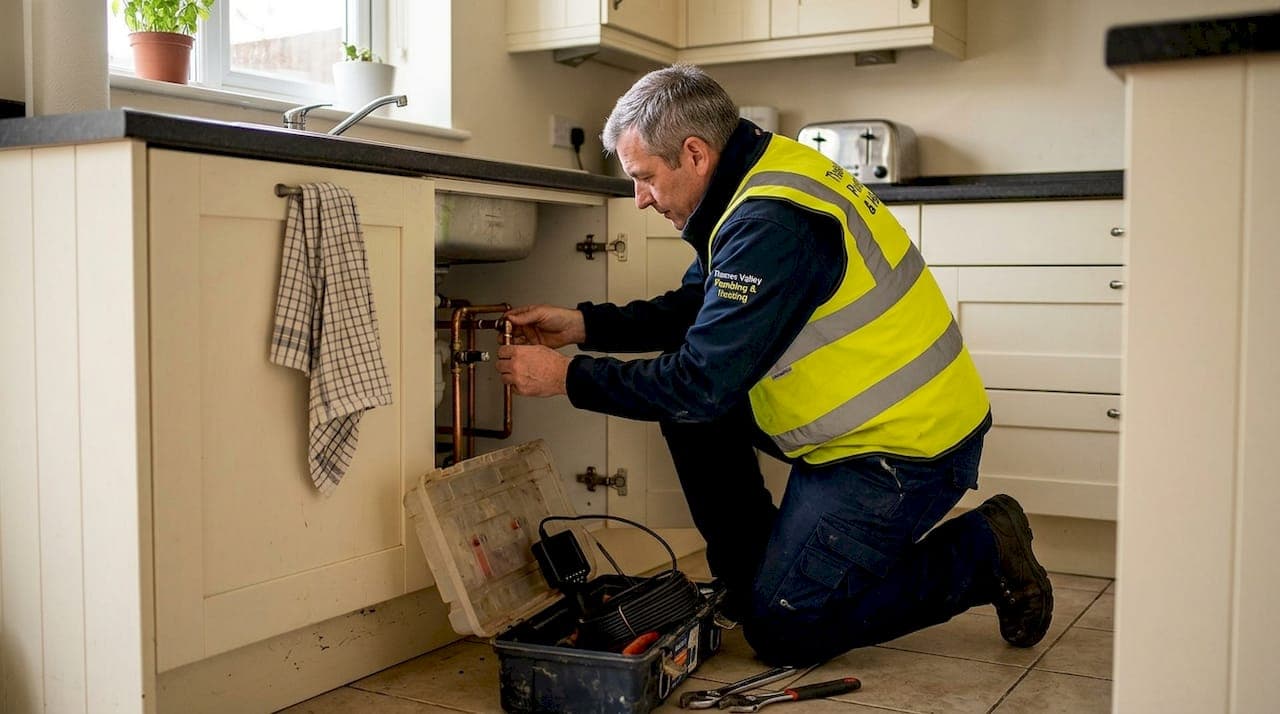
Many Thames Valley homeowners assume a plumbing check is only necessary when a pipe bursts or a tap stops working. That assumption can be costly. Hidden leaks, corroded pipework, and non-compliant backflow systems can quietly threaten your property's structural integrity and market value for years before any visible sign appears. A professional plumbing survey is the tool that finds these problems before they find you. This article breaks down exactly what a plumbing survey involves, why it matters specifically for homes in the Thames Valley, and how to know when you need one.
Table of Contents
- What is a plumbing survey?
- Why homeowners need plumbing surveys in the Thames Valley
- How plumbing surveys are carried out: step-by-step
- What's included in a plumbing survey report?
- When to consider a plumbing survey: practical triggers
- Professional plumbing surveys in Thames Valley: your next steps
- Frequently asked questions
Key Takeaways
| Point | Details |
|---|---|
| Essential for older homes | Plumbing surveys are critical for detecting risks common in Thames Valley's Victorian and Edwardian properties. |
| Expert, certified assessment | Qualified plumbers ensure compliance and spot issues missed by standard property surveys. |
| Prevents costly repairs | Early detection of leaks and failures saves money and protects your home’s value. |
| Provides needed documentation | Survey reports supply important records for insurance claims and mortgage requirements. |
| Easy, non-disruptive process | Most plumbing surveys are quick and minimally intrusive for homeowners. |
What is a plumbing survey?
A plumbing survey is a systematic inspection of your property's entire water and drainage system, carried out by a qualified plumber. It goes well beyond a quick visual check. Depending on the scope, it can include pressure testing, compliance assessments, and underground CCTV camera inspections to examine pipes that are completely hidden from view.
Here is what a thorough plumbing survey typically covers:
- Visual inspection of all accessible pipework, joints, and fittings
- Pressure testing to identify leaks within the system
- CCTV drain surveys for underground and concealed pipes
- Water regulations compliance checks, particularly for backflow prevention
- Assessment of fixtures including boilers, cylinders, and stop valves
For Thames Valley homes, local concerns such as soil movement, clay-heavy ground, and mature tree roots near drainage runs make underground inspections especially important. WaterSafe recommends qualified plumbers for water regulations compliance, and this is particularly relevant for older properties where original pipework may predate current standards. When choosing a plumber for a survey, always confirm they hold relevant certifications and are registered with a recognised body.
Why homeowners need plumbing surveys in the Thames Valley
The Thames Valley is home to a rich mix of Victorian, Edwardian, and post-war housing stock. These properties carry character, but they also carry risk. Older clay drainage pipes crack under root pressure. Lead or iron supply pipes corrode from the inside. And because much of this pipework runs beneath floors or behind walls, damage accumulates silently.
According to local specialists, older Victorian and Edwardian homes in areas like Reading are particularly prone to soil movement and tree root intrusion, with hidden leaks inside walls and non-compliant backflow protection being common findings.
A slow leak behind a bathroom wall can cause thousands of pounds of structural damage before a single damp patch appears on the surface.
Pro Tip: If your water bill has crept up without explanation, do not wait for visible signs. A water leak detection service can pinpoint the source without unnecessary excavation.
Common issues uncovered by surveys in the Thames Valley include:
- Tree root intrusion into clay drainage pipes, especially near mature gardens
- Corroded or lead supply pipes in pre-1970s properties
- Backflow contamination risks where garden hoses or irrigation systems connect without proper protection
- Subsidence-related pipe displacement in areas with clay-heavy soil
- Undetected leaks beneath driveways or patios, which often require outside leak repairs once located
Each of these issues is preventable or manageable when caught early. Left undetected, they escalate into structural damage, insurance disputes, and significant repair bills.
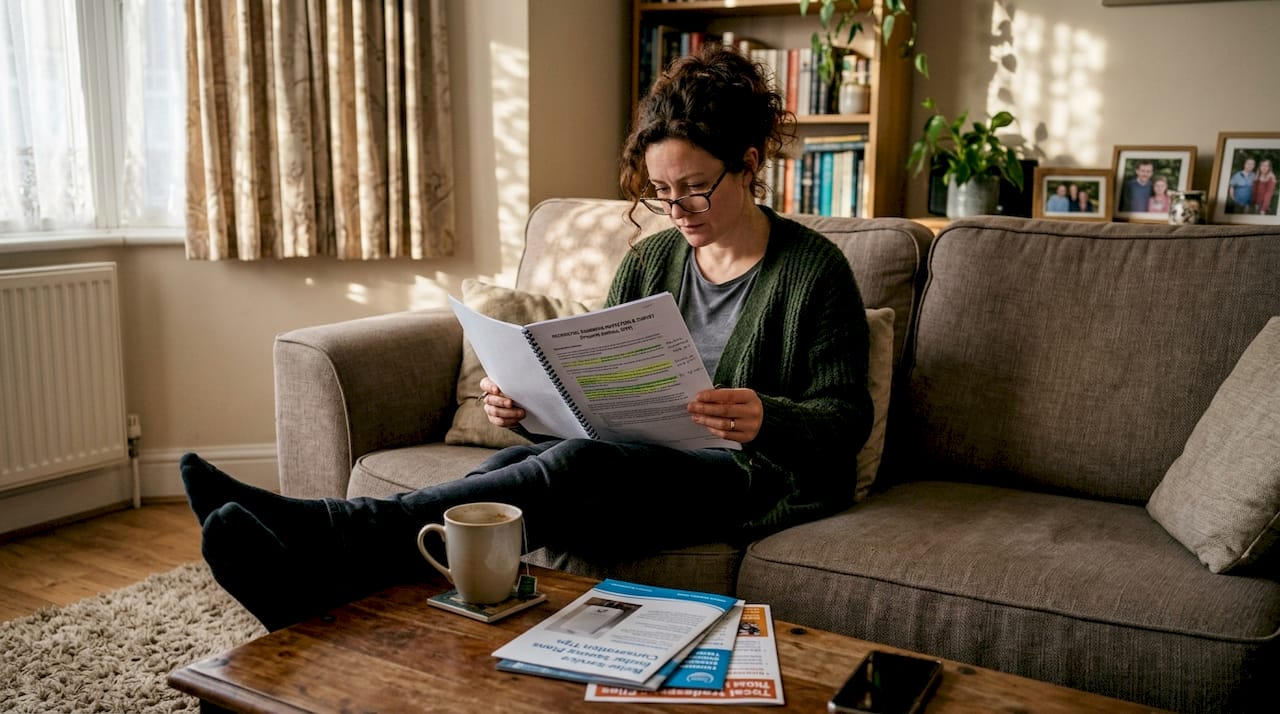
How plumbing surveys are carried out: step-by-step
Knowing the process helps you prepare your home and set realistic expectations. Here is how a professional plumbing survey typically unfolds:
- Initial consultation — The engineer reviews the property's age, layout, and any known concerns before arriving.
- Pre-survey preparation — Drains may need pre-cleaning for accurate CCTV results. Blockages or debris can obscure the camera view and produce an incomplete report.
- Visual inspection — The plumber checks all accessible pipework, valves, fixtures, and connections for signs of wear, corrosion, or non-compliance.
- Pressure testing — The system is pressurised to identify any drop that indicates a leak, even one too small to see.
- CCTV drain survey — A camera is fed through access points to inspect underground drainage runs in real time.
- Compliance assessment — Water regulations, backflow prevention, and any gas-related systems are checked against current standards.
- Report preparation — The engineer compiles findings into a formal written report, complete with photographs and recommendations.
Pro Tip: A plumbing survey report complements RICS Level 2 and 3 property surveys, which do not include underground CCTV assessments. If you are buying a property, commissioning both gives you the most complete picture. You can book a plumber for a survey well in advance of a property transaction, or call an emergency plumber if an urgent issue is discovered during the process. For suspected hidden leaks, a dedicated leak detection service can be arranged separately.
What's included in a plumbing survey report?
The report is the tangible outcome of the survey. It is not just a list of problems. A well-prepared report gives you a clear picture of your system's condition, what needs attention, and in what order of priority.
A professional plumbing survey report typically includes:
- Photographic evidence from CCTV and visual inspections
- Identified defects with severity ratings
- Water regulations compliance status
- Recommendations for remedial works, with estimated urgency
- A Gas Safety Record where applicable, which lenders and insurers may require as part of a property transaction
The table below shows the key differences between a routine plumbing check and a full survey report:
| Feature | Routine check | Full survey report |
|---|---|---|
| Visual inspection | Yes | Yes |
| Pressure testing | Sometimes | Yes |
| CCTV drain survey | No | Yes |
| Compliance documentation | No | Yes |
| Written report with photos | No | Yes |
| Gas Safety Record | No | Yes (if applicable) |
| Suitable for lenders/insurers | No | Yes |
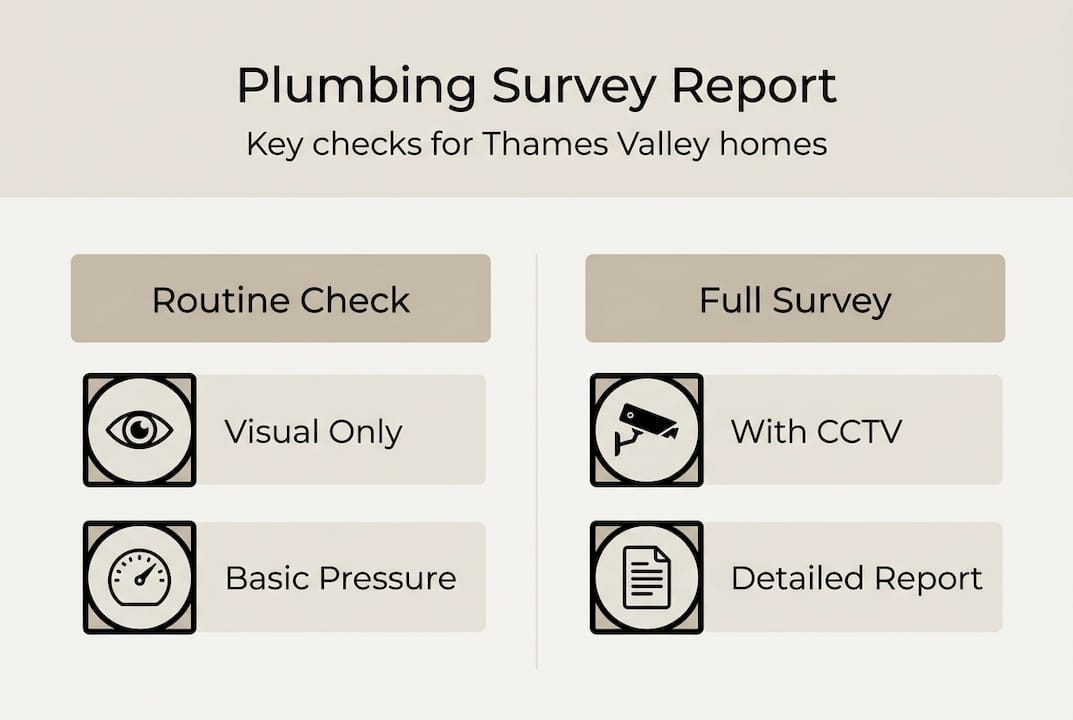
This distinction matters enormously if you are in the middle of a property sale or remortgage. A routine check from a general handyman simply does not carry the same weight as a certified survey report. For further guidance, the 999Plumber blog covers a wide range of plumbing topics relevant to Thames Valley homeowners, and you can book emergency support if any findings require immediate attention.
When to consider a plumbing survey: practical triggers
A plumbing survey is not just for crisis situations. There are specific moments in a homeowner's journey when commissioning one is simply good sense.
Consider booking a survey when:
- Buying or selling a property, particularly one built before 1980
- Planning a major renovation or extension that will disturb existing pipework
- Noticing persistent damp patches, musty smells, or unexplained increases in your water bill
- Living in an older or historic property where original plumbing has never been formally assessed
- Facing new mortgage or insurance requirements that call for documented compliance
WaterSafe advises that qualified plumbers are essential for ensuring water regulations compliance, and this is especially true when documentation is required by a third party such as a lender or insurer.
It is worth noting that water leaks account for a significant proportion of home insurance claims in the UK each year, making early detection genuinely cost-effective. If you suspect a leak, detecting water leaks early can prevent a minor issue from becoming a major claim. Similarly, if your boiler or heating system is part of the concern, pairing a plumbing survey with boiler maintenance gives you a complete picture of your home's mechanical health.
Professional plumbing surveys in Thames Valley: your next steps
If this article has helped you see your home's plumbing in a new light, the next step is straightforward. Whether you are preparing for a property sale, dealing with a persistent damp issue, or simply want peace of mind about an older home, a professional survey gives you the facts you need to act confidently.
At 999Plumber, our local plumbing experts serve homeowners across the Thames Valley with no call-out charges and a no-fix-no-fee promise. We understand the specific challenges of the region's housing stock, from Victorian drainage systems to modern compliance requirements. You can book a plumbing survey online in minutes, or call us any time for emergency support. As your trusted Thames Valley plumbers, we are available 24 hours a day, 7 days a week, with experienced engineers ready to respond quickly and professionally.
Frequently asked questions
Is a plumbing survey necessary if my home is under ten years old?
Newer homes are generally built to current standards, but surveys can still uncover workmanship faults or hidden leaks that developed after construction. Non-compliant backflow protection is also found in relatively modern properties.
Are plumbing surveys disruptive to my household?
Most surveys are non-invasive and cause minimal disruption. Brief access is needed for CCTV and pressure testing, and drains may require pre-cleaning beforehand, but the process is generally completed within a few hours.
Who is qualified to carry out a plumbing survey?
Only certified plumbers should conduct plumbing surveys. WaterSafe recommends qualified plumbers specifically for water regulations compliance, so always check credentials before booking.
Will a plumbing survey help with mortgage or insurance requirements?
Yes. Surveys can produce documentation such as a Gas Safety Record that lenders and insurers may require as part of a property transaction or policy renewal.
How long does a typical plumbing survey take?
Most surveys are completed within two to four hours, though larger properties or those with complex drainage systems may take longer depending on access points and the scope of inspection required.