TL;DR:
- Immediate safety actions include shutting off water, electricity, and securing valuables.
- Local Thames Valley plumbers respond within 1 to 2 hours, faster than national chains.
- Preparing tools, documents, and a trusted plumber contact speeds up emergency resolution.
A burst pipe at midnight or a boiler failure on a freezing January morning is not just stressful — it is a race against time. Every minute water flows unchecked adds to the damage, and the repair bill climbs with it. Thames Valley homeowners who know exactly what to do in those first critical moments consistently suffer less damage and pay less to fix it. Local emergency plumbers in the region can typically arrive within 1 to 2 hours, which means your actions before they arrive genuinely matter. This guide walks you through every step, from the moment you spot the problem to the final post-repair check.
Table of Contents
- Assess the situation and prioritise safety
- Gather tools, materials, and information
- Step-by-step emergency workflow: calling, communicating, mitigating
- Verify solutions, avoid common mistakes, and check results
- A fresh perspective: why Thames Valley homeowners should prioritise trusted local expertise
- Get rapid, reliable help from local Thames Valley experts
- Frequently asked questions
Key Takeaways
| Point | Details |
|---|---|
| Rapid response is critical | Local Thames Valley plumbers typically arrive in 1-2 hours and reduce overall damage. |
| Preparation saves money | Shutting off water, moving valuables, and having key details ready lowers emergency costs and speeds repair. |
| Local expertise outperforms national chains | Thames Valley firms provide faster, more reliable service with practical solutions for homeowners. |
| Document everything | Taking photos, requesting reports, and reviewing invoices ensures transparent repair processes and supports insurance claims. |
| Know your workflow | Following a clear step-by-step process turns stressful plumbing emergencies into manageable events. |
Assess the situation and prioritise safety
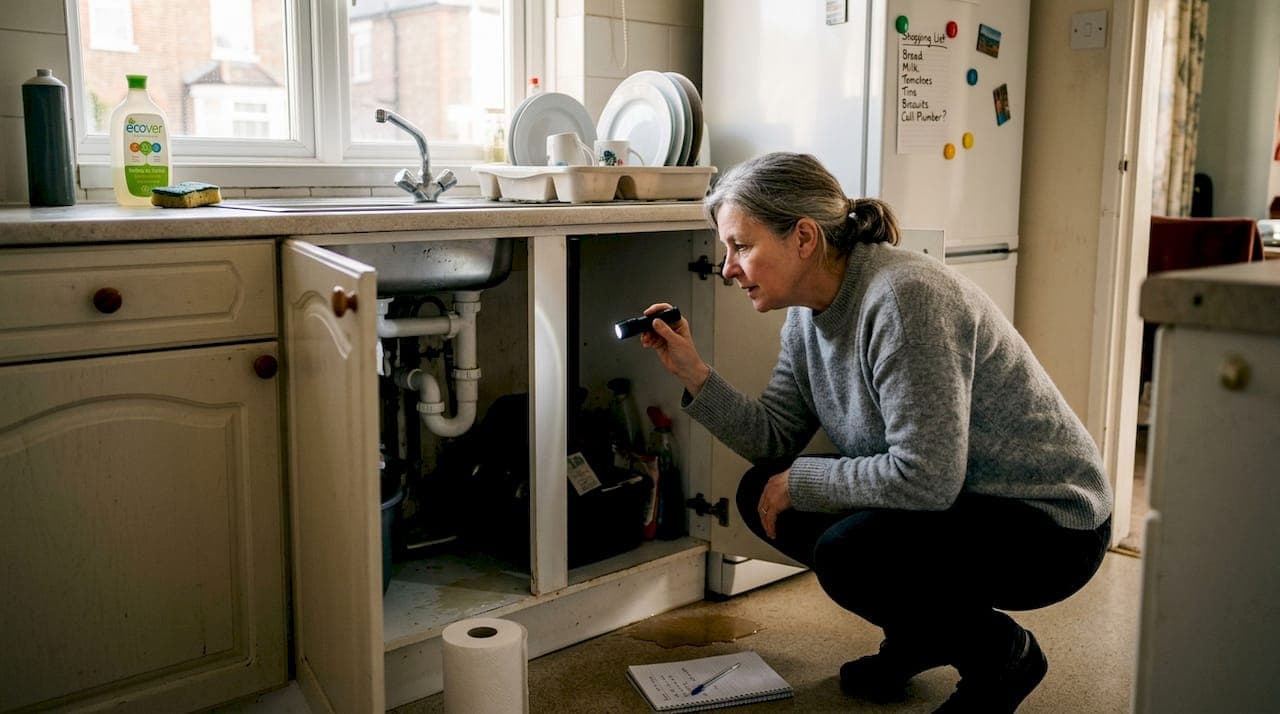
The very first thing to do is resist the urge to panic. A clear head in the opening minutes of a plumbing emergency makes every subsequent step faster and safer. Before you touch anything, scan the affected area and identify what type of emergency you are dealing with. A burst pipe, a blocked drain that is backing up, a leaking boiler, or a failed stopcock all require slightly different initial responses, but the safety principles are the same.
Shut off the water supply immediately. Your main stopcock is usually located under the kitchen sink, in the airing cupboard, or near the front door. Turn it clockwise until it stops. If the emergency involves hot water or the boiler, switch off the boiler at the unit itself. If there is any water near electrical sockets, switches, or appliances, turn off the electricity at the consumer unit (your fuse box) before entering the room.
Here is a quick checklist of immediate safety actions:
- Locate and close the main stopcock
- Switch off the boiler if hot water or heating is involved
- Turn off electricity at the consumer unit if water is near electrics
- Move valuables, documents, and electronics away from the affected area
- Place towels or buckets to contain water and reduce floor damage
- Open windows to ventilate if there is a gas or damp smell
Important: Never assume a small drip is harmless. A slow leak behind a wall can cause structural damage and mould growth over weeks. Treat every leak as urgent.
Once the immediate danger is contained, take photographs and short video clips of the damage. This is not just for your own records. Your home insurance provider will almost certainly ask for evidence, and clear photos taken before repairs begin are far more useful than those taken after. Burst pipe repairs typically cost between £300 and £700, with the average emergency call-out reaching £340. Solid photographic evidence supports your claim and reduces disputes.
To help you protect your Thames Valley home from further damage, keep a written note of what you observed, when you noticed it, and what actions you took. This timeline is invaluable when speaking to your insurer or your plumber.
Pro Tip: Label your stopcock with a small tag now, before any emergency occurs. In a crisis, knowing exactly where it is saves precious minutes.
Gather tools, materials, and information
With safety ensured, the next step is preparing to take action. Having the right items to hand before you call a plumber means you can act quickly and give the engineer everything they need to help you faster.
Start with a basic emergency toolkit. You do not need to be a plumber yourself, but a few simple items can prevent a manageable situation from becoming a disaster:
- An adjustable spanner (for isolating valves)
- Several large buckets and absorbent towels
- A working torch (phone torches drain batteries quickly)
- Waterproof tape or a temporary pipe repair clamp
- A notepad and pen
Alongside physical tools, gather your key documents and information. Pull out your home insurance policy and note the emergency claims number. Find any recent invoices from previous plumbing or heating work, as the engineer will want to know the history of the system. Note the make and model of your boiler, the age of your pipework if you know it, and any recent repairs.
Here is a quick reference table for what to prepare:
| Item | Purpose |
|---|---|
| Adjustable spanner | Isolate valves and fittings |
| Buckets and towels | Contain and absorb water |
| Torch | Work in poorly lit areas |
| Insurance policy | Confirm cover and claim process |
| Boiler model and age | Speed up diagnosis for the engineer |
| Previous repair invoices | Provide repair history |
| Local plumber contact | Call immediately for fastest response |
One of the most important pieces of preparation is having a trusted local plumber's number saved in your phone before an emergency happens. Call-out fees range from £80 to £300 depending on the time of day, with nights and weekends at the higher end. Thames Valley local firms consistently respond faster than national chains, which translates directly into less damage and lower overall costs.
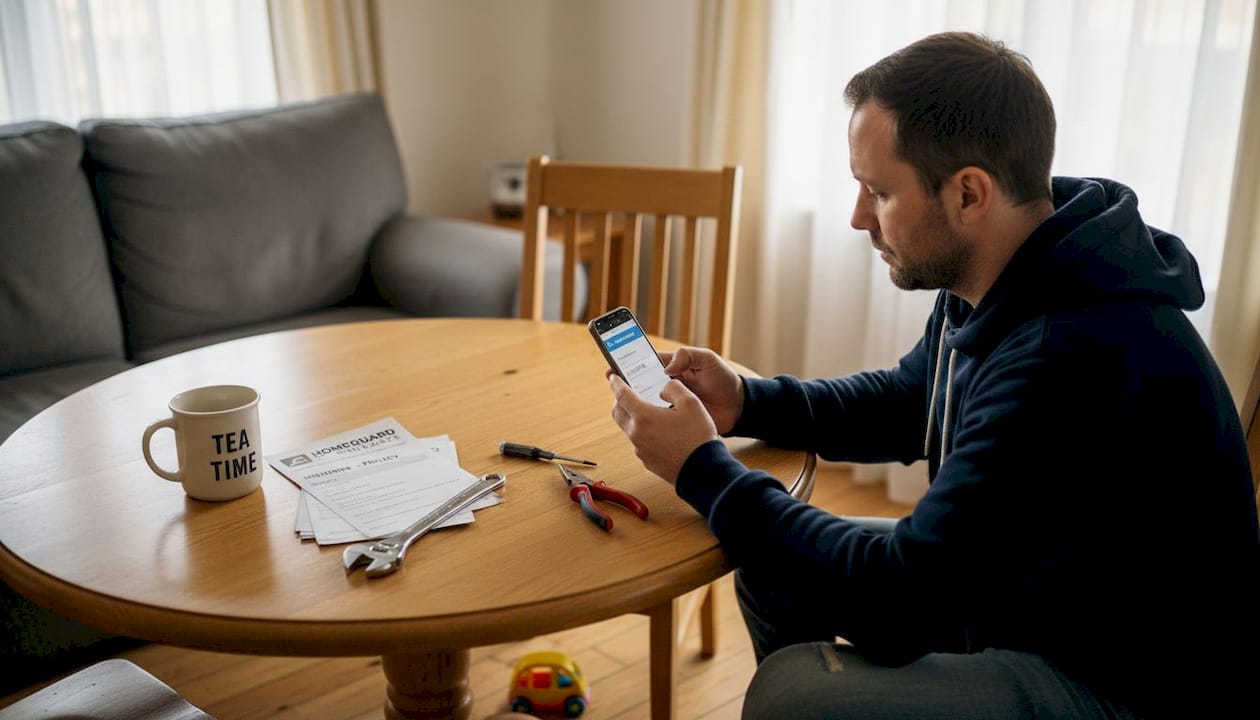
When choosing a plumber, look for Gas Safe registration, clear pricing, and genuine local coverage. A firm based in your area knows the roads, the local housing stock, and can reach you without the delays that national call centres introduce.
Statistic to know: Thames Valley homeowners who call a local firm rather than a national chain typically receive a response in under two hours, compared to three or more hours for larger operators.
Step-by-step emergency workflow: calling, communicating, mitigating
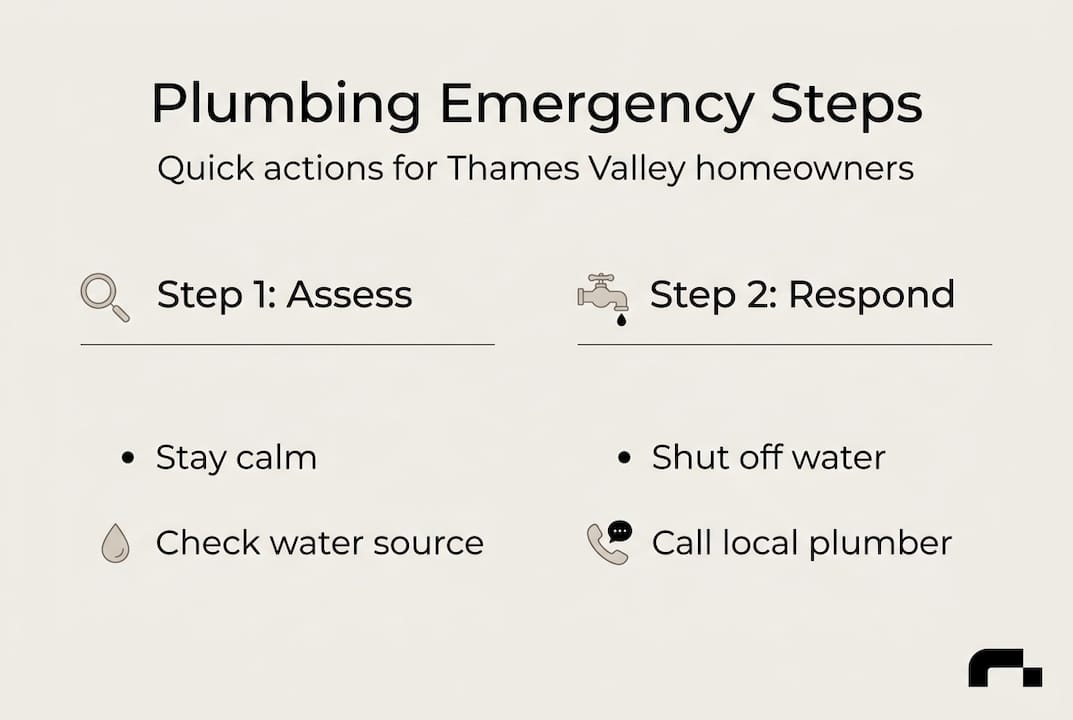
With everything in hand, it is time to execute the emergency workflow. Follow these steps in order to get the fastest, most effective response.
- Call your local emergency plumber first. Do not waste time searching online in a panic. Use the number you have already saved.
- State the emergency clearly. Tell the operator your address, the type of problem (burst pipe, boiler failure, blocked drain), and whether you have shut off the water or electricity.
- Confirm the response time. Ask how long until an engineer arrives and whether there is a call-out charge. Reputable local firms are transparent about this upfront.
- Continue mitigation while you wait. Mop up standing water, keep buckets in place, and ventilate the area. If the leak is from a pipe you can see, wrap it tightly with waterproof tape as a temporary measure.
- Keep the area clear. Make sure the engineer can access the affected zone immediately on arrival. Move furniture, rugs, and any obstacles.
- Meet the engineer at the door. Brief them on what you observed, what you shut off, and any relevant history of the system.
Here is a comparison of local versus national response for Thames Valley emergencies:
| Factor | Local Thames Valley firm | National chain |
|---|---|---|
| Average response time | 1 to 2 hours | 3 hours or more |
| Local knowledge | High | Low |
| Pricing transparency | Usually upfront | Variable |
| Flexibility on timing | Often flexible | Rigid booking slots |
Thames Valley local firms consistently achieve response times of 1 to 2 hours, which is significantly faster than the national average. That speed is not just convenient. It directly reduces the extent of water damage, which in turn reduces your repair bill.
For homeowners in specific areas, searching for a plumbing emergency in Newbury or nearby towns will surface local engineers who can reach you quickly. Reviewing top plumbing tips in advance also helps you understand your system before a crisis hits.
Pro Tip: When you call, mention whether there are any elderly or vulnerable people in the property. Many local firms will prioritise these cases.
Verify solutions, avoid common mistakes, and check results
After completing the emergency workflow, it is critical to confirm repairs and take preventative steps. Many homeowners make the mistake of assuming the job is done once the engineer leaves. That assumption can be costly.
Start by asking the engineer for a written report or job sheet before they go. This document should include the fault found, the work carried out, the parts replaced, and any recommendations for follow-up work. Keep this alongside your insurance documents.
Once the engineer has finished, test the repaired system yourself. Run taps, check for drips around joints, test the boiler if it was involved, and inspect the area for any residual dampness. If something does not feel right, say so before the engineer leaves.
Here is a post-repair checklist:
- Request and keep the written job sheet
- Test all affected taps, valves, and appliances
- Check for damp patches on walls, floors, and ceilings
- Compare the final invoice against the original quote
- Contact your insurer to begin or update your claim
- Photograph the repaired area for your records
Remember: Winter emergencies can increase costs by up to 45% compared to summer call-outs. Thorough post-repair checks reduce the chance of a repeat problem, which is especially important heading into colder months.
Common mistakes to avoid include skipping the insurance claim because the repair felt minor, failing to get a written report, and not checking whether the root cause was actually fixed rather than just the visible symptom. A dripping joint that gets wrapped in tape is not repaired. A pipe that froze and burst may have frozen because of inadequate insulation, which will happen again next winter.
Exploring options for saving money at home through better insulation and water efficiency is a practical next step after any emergency repair.
Pro Tip: Set a reminder to have your boiler serviced annually. Most boiler-related emergencies are preventable with routine maintenance.
A fresh perspective: why Thames Valley homeowners should prioritise trusted local expertise
Most emergency plumbing guides tell you to act fast and call a professional. That is true, but it misses the more important point: who you call matters as much as when you call.
National chains have their place, but in a genuine emergency, their size works against you. Call centres, booking queues, and engineers travelling from outside your area all add time. Time, in a plumbing emergency, is money and damage.
Local firms in Thames Valley achieve superior response times precisely because they are not managing a national logistics operation. They know your streets, they understand the local housing stock (a lot of Thames Valley homes have older pipework that national engineers may not recognise on sight), and their reputation depends entirely on local word of mouth.
There is also a communication advantage. A local engineer who has worked in your town for years will give you a straight answer about whether a repair is genuinely urgent or whether it can wait. That kind of honest, practical advice is harder to get from a call centre operative reading from a script.
For long-term peace of mind, protecting your home starts with building a relationship with a trusted local firm before an emergency strikes.
Get rapid, reliable help from local Thames Valley experts
If you have just worked through this guide during a live emergency, you already know what to do next. If you are reading this in advance, even better.

999Plumber.co.uk covers the Thames Valley region 24 hours a day, 7 days a week, with no call-out charges and a no fix no fee guarantee. Whether you need a fast emergency plumber for a burst pipe or a 24hr plumber for a boiler failure at 3am, the team is ready to respond. You can also book an emergency plumber online in minutes, with clear pricing and no surprises. Local, reliable, and genuinely fast. That is the 999Plumber promise.
Frequently asked questions
How quickly can an emergency plumber respond in Thames Valley?
Local Thames Valley firms typically respond within 1 to 2 hours, which is significantly faster than most national chains. Calling a local firm directly, rather than going through a national call centre, is the single biggest factor in reducing your wait time.
What is the typical cost for an emergency plumbing call-out and repair?
The average emergency cost is around £340, with burst pipe repairs ranging from £300 to £700. Rates are higher at night, on weekends, and in winter, when costs can rise by up to 45%.
Should I choose a local firm or a national chain for a plumbing emergency?
Local firms almost always offer faster response and lower damage overall. National chains may have longer wait times and less familiarity with local housing stock, which can slow diagnosis and increase costs.
What steps should I take before the plumber arrives?
Shut off the water at the main stopcock, turn off electricity if water is near any electrics, move valuables, ventilate the area, and take photos for your insurer. These immediate actions prevent further damage and give the engineer a clearer picture on arrival.
Can emergency plumbers help with electrics or heating issues too?
Many local firms offer combined plumbing, heating, and electrical emergency cover around the clock. Using one trusted provider for all urgent home repairs simplifies the process and avoids the delays of coordinating multiple contractors.