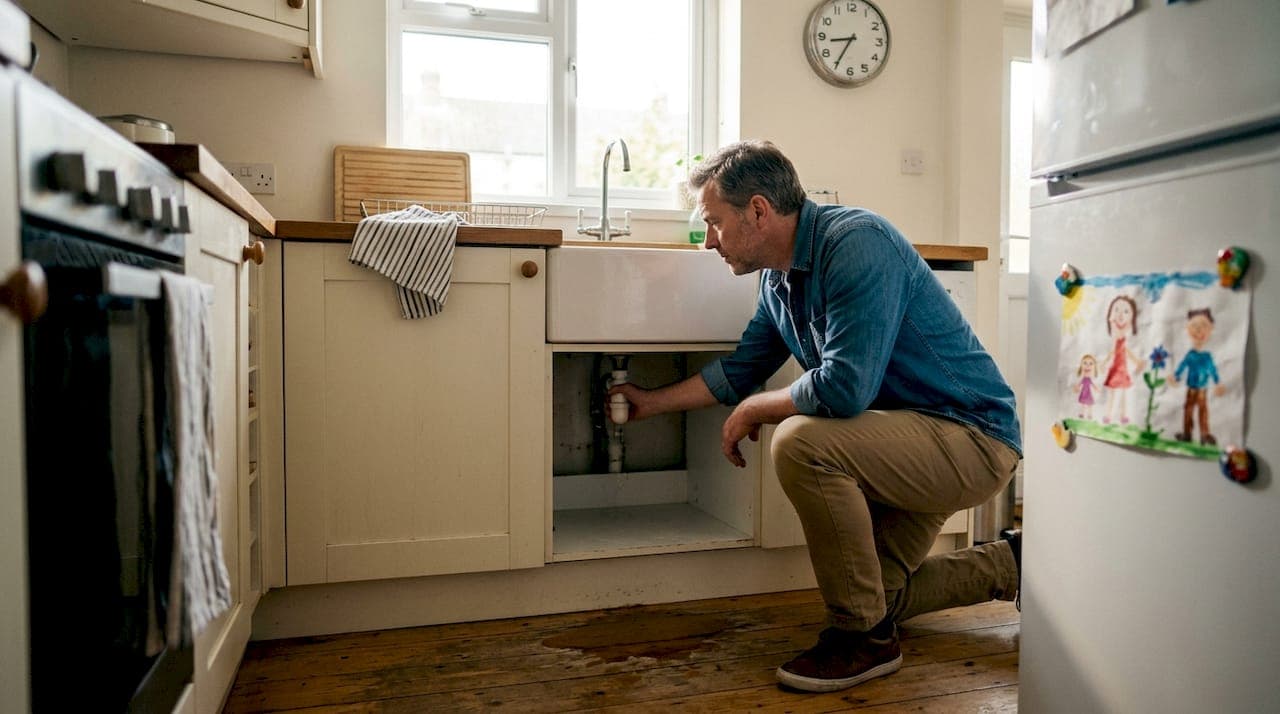
TL;DR:
- Respond quickly by turning off water and electricity, containing water, and protecting valuables.
- Call a professional plumber for persistent leaks, sewage issues, or gas-related emergencies.
- Prepare your home with access, documentation, and key information before the plumber arrives.
A burst pipe or sudden leak can turn a calm evening into a full-blown crisis within minutes. Water spreads fast, soaks through floors, and damages everything in its path before most homeowners even know where to begin. The good news is that the right actions in the first ten minutes can make the difference between a minor repair bill and a major insurance claim. This guide walks you through exactly what to do during a plumbing emergency in your Thames Valley home, from the moment you spot the problem to the point when a qualified engineer arrives at your door.
Table of Contents
- Identify the plumbing emergency and assess the risk
- Take immediate protective actions to minimise damage
- Decide when to call a professional plumber
- Prepare your home for the plumber's arrival
- The overlooked step: why Thames Valley homeowners should always plan for the next emergency
- Need professional help? Fast Thames Valley emergency plumbing services
- Frequently asked questions
Key Takeaways
| Point | Details |
|---|---|
| Evaluate the emergency | Quickly assess the situation to identify risks and priorities before acting. |
| Protect your property | Immediate steps like shutting off water and removing valuables can prevent costly damage. |
| Call expert help | Knowing when to contact a qualified local plumber ensures rapid, safe resolution. |
| Prepare for arrival | Organising the affected area and documenting issues smooths the repair process. |
| Plan ahead | Proactive maintenance and a ready checklist help prevent future emergencies. |
Identify the plumbing emergency and assess the risk
Not every plumbing problem is the same, and knowing what you are dealing with shapes every decision that follows. The three most common plumbing emergencies in Thames Valley homes are burst pipes, active leaks, and severe blockages. Each carries its own set of risks, and treating them the same way can make things worse.
Before you do anything else, take thirty seconds to look around. Is water pooling near an electrical socket or consumer unit? Are there valuables, documents, or electronics in the flood zone? Is the ceiling bulging from water trapped above? These are the questions that determine how urgently you need to act and in which order.
The initial actions during a plumbing crisis are straightforward but easy to forget under pressure. Knowing them in advance means you respond rather than panic.
Here are the key hazards to check for immediately:
- Water near electrics: Switch off the power at the consumer unit if water is near any sockets, switches, or appliances.
- Structural risk: Look for sagging ceilings, warped floorboards, or water seeping through walls.
- Contaminated water: Dark or foul-smelling water may indicate a sewage issue, which is a health risk.
- Flood escalation: Is the water level rising? If yes, locate your stopcock immediately.
- Neighbouring rooms: Check rooms adjacent to the source. Water travels further than you expect.
Knowing how to spot plumbing leaks before they escalate is one of the most valuable skills a homeowner can develop. Damp patches on walls, unexplained rises in your water bill, and the sound of running water when all taps are off are all early warnings worth acting on.
Pro Tip: Locate your stopcock before an emergency happens. In most Thames Valley homes it sits under the kitchen sink or near the front door. Write its location on a sticky note inside a kitchen cupboard so anyone in the household can find it fast.
Take immediate protective actions to minimise damage
Once you have assessed the emergency and confirmed there is a real risk, every second counts. Acting quickly and in the right order prevents a manageable situation from becoming a costly one.
Follow these steps in sequence:
- Turn off the water supply. Find your stopcock and turn it clockwise to shut off the mains. If you cannot find it, turn off the supply at the street-level boundary stopcock.
- Switch off electricity in affected areas. If water is near any electrical points, isolate the circuit at your consumer unit. Do not touch wet switches or sockets.
- Move valuables and furniture. Lift rugs, shift electronics, and move important documents away from the affected area immediately.
- Contain the water. Place towels, buckets, and containers to catch dripping or flowing water. Old towels are surprisingly effective at slowing the spread across hard floors.
- Apply a temporary fix if safe to do so. Plumber's tape or a pipe clamp can slow a small leak while you wait for professional help. Guidance on fixing leaking pipes temporarily is available if you want to attempt this safely.
- Check neighbouring rooms. Water moves through cavities and under floors. Check the rooms below and beside the source for secondary damage.
- Open windows if possible. Ventilation reduces moisture build-up and helps prevent mould forming quickly.
Remember: Temporary fixes are exactly that. They buy you time, not a permanent solution. Even if the dripping stops, the underlying cause still needs professional attention. Skipping the call to a plumber after a temporary patch is one of the most common and costly mistakes Thames Valley homeowners make.
For a full breakdown of how to protect your home fast during a plumbing crisis, the step-by-step emergency plumbing workflow covers each stage in detail and is worth bookmarking before an emergency strikes.
Decide when to call a professional plumber
Having taken steps to contain the situation, the next decision is whether you need expert help. In most genuine plumbing emergencies, the answer is yes. The question is really about timing and who to call.
There are clear situations where DIY simply is not sufficient:
- A leak that continues despite temporary fixes
- Any involvement of sewage or contaminated water
- Flooding that is spreading faster than you can contain it
- Damage to your boiler, central heating, or hot water system
- Any situation involving gas pipes or smell of gas (call the National Gas Emergency line on 0800 111 999 immediately)
Situations requiring professional emergency services share a common thread: they involve systems that interact with each other in ways that are not always visible. A burst pipe near a boiler, for example, can affect your heating and hot water simultaneously.
When choosing a local emergency plumber in Thames Valley, use this comparison to guide your decision:
| Factor | What to look for | Red flag |
|---|---|---|
| Availability | Genuine 24/7 response | Office hours only |
| Call-out fee | No call-out charge | Vague or high fixed fees |
| Arrival time | Under 60 minutes locally | No time estimate given |
| Qualifications | Gas Safe registered where relevant | No credentials offered |
| Pricing model | No fix, no fee | Payment required upfront |
Before you book, ask these questions directly: How quickly can you arrive? Are there any call-out charges? Are your engineers qualified for this type of job? A trustworthy emergency call out plumber will answer all three without hesitation.
If your emergency involves your heating system, the emergency heating repair guide for Thames Valley homes provides additional context on what to expect and how to prepare.
Prepare your home for the plumber's arrival
Once you have arranged professional help, the time between your call and their arrival is not wasted time. How well you prepare your home directly affects how quickly the engineer can diagnose and fix the problem.
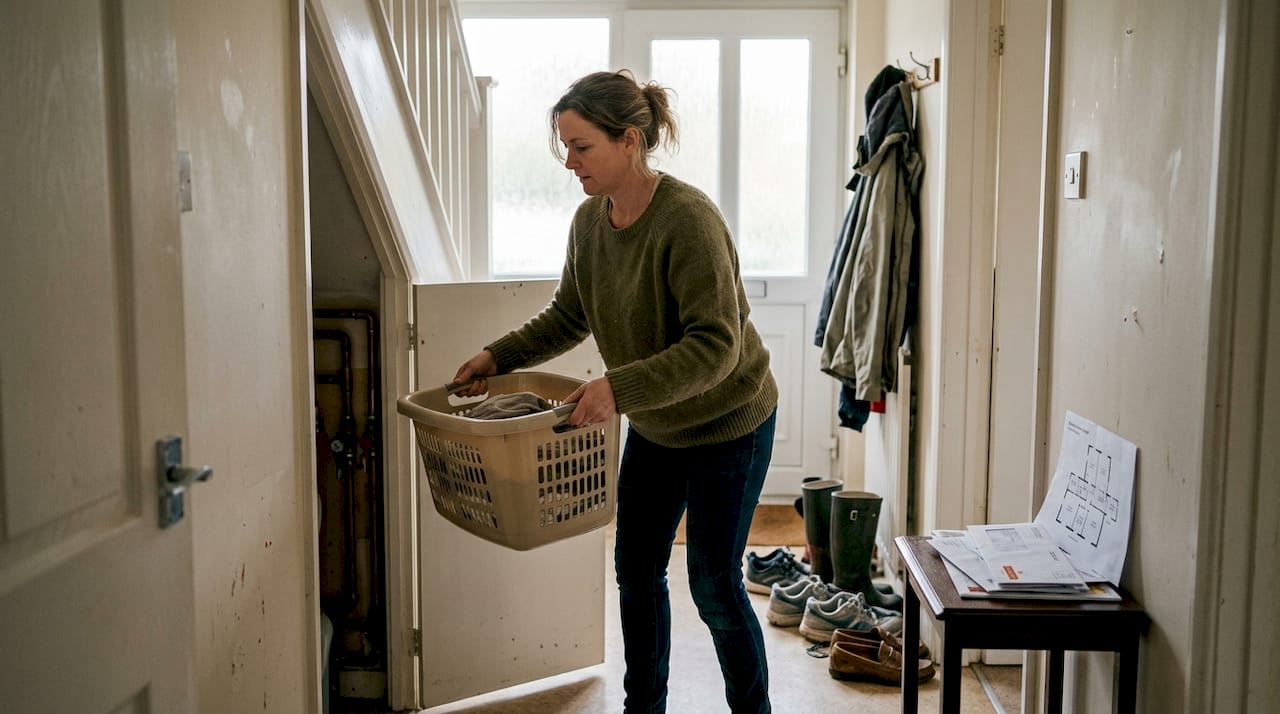
Use this table to organise what needs doing before the plumber arrives:
| Task | Why it matters | Time needed |
|---|---|---|
| Clear access to pipes and valves | Engineer can work without delay | 5 minutes |
| Photograph all visible damage | Supports insurance claims | 3 minutes |
| Note the stopcock location | Speeds up isolation if needed | 1 minute |
| Write down symptoms and timeline | Helps diagnosis | 2 minutes |
| Unlock relevant doors or gates | No time lost on arrival | 1 minute |
Documenting the damage is something many homeowners skip in the rush of an emergency, but it is genuinely important. Photographs taken before repairs begin are far more useful to insurers than descriptions after the fact. A short video walkthrough on your phone takes two minutes and can save hours of back-and-forth with your insurance provider.
If you live in a flat or a property with shared plumbing, notify your neighbours or building manager as soon as possible. A leak on the second floor can affect the flat below without any visible sign on your end. Being the person who warned them early is far better than being the person who caused unannounced damage to their home.
Gather the following before the plumber knocks on the door: the location of your stopcock, a brief description of when the problem started, any previous issues with the same pipes or fixtures, and your home insurance details if relevant. Guidance on quick pipe fixes you may have attempted is also worth mentioning so the engineer knows what has already been tried.
Additional tips to reduce property damage before a plumber arrives can help you make the most of the waiting period.
Pro Tip: Keep a simple emergency card in your kitchen drawer with your stopcock location, your plumber's number, your insurer's claims line, and the address of your nearest neighbour who has a spare key. It takes five minutes to make and could save hours during a real crisis.
The overlooked step: why Thames Valley homeowners should always plan for the next emergency
Here is something most plumbing articles will not tell you: the emergency itself is rarely the real problem. The real problem is that most homeowners are completely unprepared when it happens, and then go straight back to being unprepared once it is fixed.
We see this pattern repeatedly across Thames Valley. A homeowner deals with a burst pipe, gets it repaired, breathes a sigh of relief, and does nothing differently. Six months later, a slow leak that could have been caught early turns into another emergency. The cycle repeats.
The homeowners who genuinely protect their properties do one thing differently: they treat the emergency as a prompt to build a simple plan. That means keeping a plumber's number saved in their phone, knowing where their stopcock is, and scheduling an annual check of their pipework and boiler. Early leak detection costs a fraction of emergency repair work and prevents the stress entirely.
Routine maintenance is not glamorous. But a single annual plumbing inspection costs far less than one emergency call-out, let alone the water damage, insurance excess, and disruption that follow a serious leak. Prevention is not just cheaper. It is dramatically less stressful.
Need professional help? Fast Thames Valley emergency plumbing services
If you are dealing with a plumbing emergency right now, or want to be better prepared for the next one, 999Plumber.co.uk offers 24-hour emergency response across the Thames Valley region with no call-out charges and a no fix, no fee guarantee.

Our experienced engineers cover Newbury and the wider Thames Valley area, arriving fast and equipped to handle everything from burst pipes to boiler failures. You can reach us by phone for immediate help or use our book plumber online service for non-urgent jobs. For urgent situations, our emergency plumber call out line is open around the clock. Explore our full range of 24hr emergency plumber services and get the help you need without the hassle.
Frequently asked questions
What should I do first during a plumbing emergency?
Shut off your property's main water supply and assess the situation for any immediate risks such as electricity or flooding. The first steps in a plumbing crisis are simple but must be done in the right order to stay safe.
How can I minimise water damage before the plumber arrives?
Move valuables, use towels and buckets to contain water, and document the damage for insurance purposes. Reducing property damage before help arrives is entirely possible with a few quick actions.
When should I call an emergency plumber rather than attempt a DIY fix?
Call a professional if leaks persist, water is contaminated, or the situation is beyond your ability to safely resolve. Situations needing professional help include anything involving sewage, flooding, or gas.
Should I notify my neighbours if a plumbing emergency affects shared pipes?
Yes, informing neighbours is important if shared plumbing systems or multi-floor properties may be impacted. Acting quickly protects both your property and theirs.
What information should I have ready for the emergency plumber?
Provide details on the issue, the location of your stopcock, and any previous related problems to help the plumber act swiftly. The more context you give upfront, the faster the repair.