TL;DR:
- Common boiler issues include leaks, low pressure, noise, power failures, and frozen condensate pipes.
- DIY fixes like repressurising or thawing pipes are possible, but complex faults require professional Gas Safe engineers.
- Thames Valley homes face higher risks from hard water and cold winters, emphasizing the importance of regular servicing and expert help.
A boiler breakdown is stressful at the best of times, but when it happens during a cold Thames Valley winter, the urgency is real. The trouble is, most homeowners have no idea whether they are dealing with something minor or a fault that needs immediate professional attention. 28% of UK homeowners fear unexpected boiler breakdowns, and that anxiety is entirely understandable. This guide covers the most common boiler problems affecting local homes, explains what causes them, and tells you exactly what to do next, whether that is a quick check or a call to a qualified engineer.
Table of Contents
- Leaking boilers: why water escapes and what to check first
- Low boiler pressure: how it happens and how to fix it safely
- Noisy boilers: kettling, banging, and what these sounds really mean
- Power losses: no heating, hot water or ignition
- Frozen condensate pipe: the winter culprit Thames Valley can't ignore
- Why professional help still beats DIY for Thames Valley boilers
- Need fast boiler repairs in Thames Valley? Trusted local help is at hand
- Frequently asked questions
Key Takeaways
| Point | Details |
|---|---|
| Boiler leaks | Leaks can stem from high pressure, corrosion or worn seals and need urgent attention to prevent damage. |
| Low pressure | Low boiler pressure is usually due to leaks or expansion vessel failure and is often safe for basic troubleshooting. |
| Noisy operation | Boiler noises like banging or kettling are often caused by limescale or sludge, requiring professional cleaning. |
| Complete shutdown | Sudden loss of heat or hot water can be tied to thermostat, ignition or condensate pipe issues; pro repair is strongly advised. |
| When to call an expert | For gas or internal faults, always use a Gas Safe engineer to stay safe and keep your system covered. |
Leaking boilers: why water escapes and what to check first
Water appearing near your boiler is never something to dismiss. It can cause floor damage, electrical hazards, and serious structural problems if left unchecked. Knowing how to spot a leak early and what to do about it can save you both money and stress.
How to spot a boiler leak
The signs are usually obvious once you know what to look for. According to common boiler repair issues, boiler leaking water is one of the most frequently reported faults engineers encounter. Watch for:
- Puddles or damp patches on the floor directly beneath the unit
- Water staining or rust marks on the boiler casing
- A noticeable drop in system pressure over a short period
- Corrosion around pipe joints or fittings near the boiler
Many leaks start small and are hidden behind the boiler or inside wall cavities, so a dry-looking floor does not always mean you are in the clear.
Root causes: what is actually going wrong
High pressure, corrosion, and faulty seals are the three most common culprits. If your system pressure is running too high, the pressure relief valve will discharge water automatically as a safety measure, which can look like a leak but is actually the boiler doing its job. Corrosion affects older systems and tends to develop slowly around joints and the heat exchanger. Failed internal seals, meanwhile, can let water escape from connections that are no longer watertight.
What to do immediately
Turn off the boiler's power supply straight away. Do not attempt to open the boiler casing under any circumstances. Check whether the issue involves a visible external pipe joint, which you can learn more about through our guide on how to fix leaking pipes safely. If the leak appears to be internal, stop there and call a professional.
If you want to sharpen your detection skills before calling anyone out, our resource on how to detect water leaks in Thames Valley homes is worth a read.
Pro Tip: Run your fingers carefully along visible pipe joints at the back and sides of the boiler once a month. Catching a slow drip before it becomes a puddle can prevent a costly repair bill further down the line.
Never ignore a boiler leak, even a slow one. Beyond the water damage risk, persistent moisture near electrical components is a genuine safety hazard that only worsens over time.
Low boiler pressure: how it happens and how to fix it safely
While leaks are dramatic, another frequent and frustrating culprit for system shutdowns is low boiler pressure. You might notice your radiators are barely warming, or your boiler has locked out entirely with an error on the display.
Understanding your pressure gauge
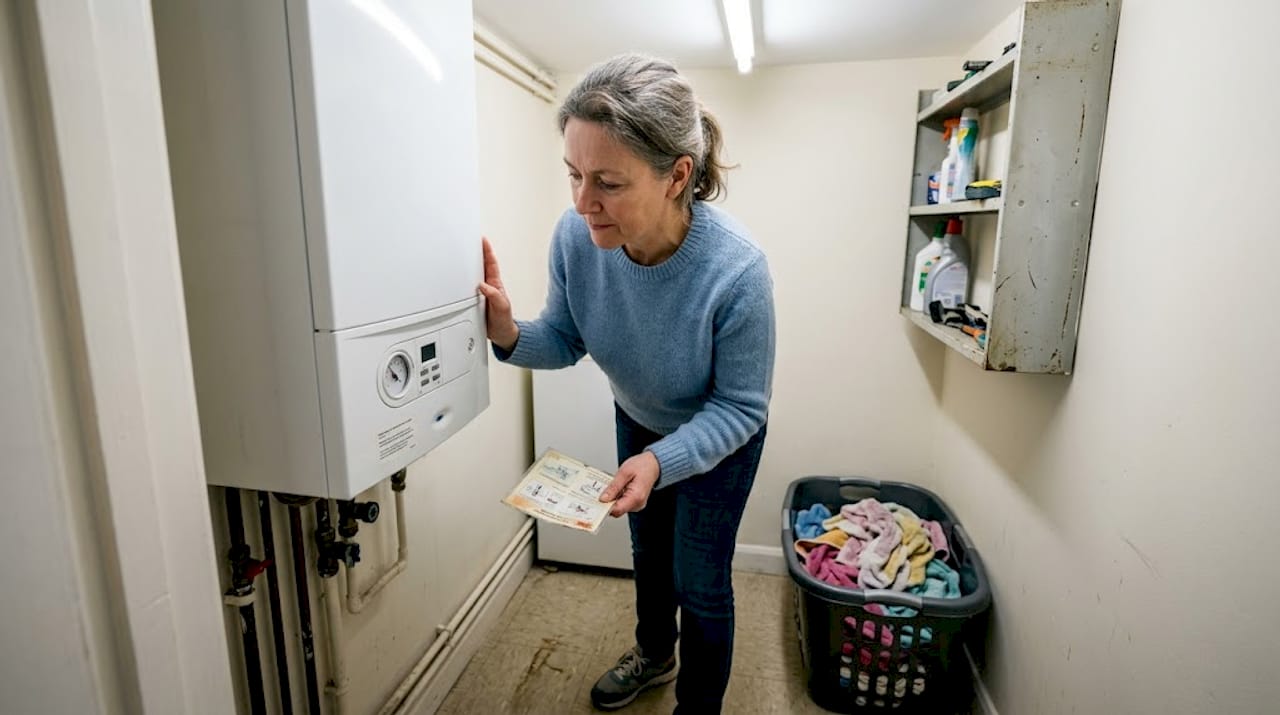
Most modern combi boilers have a pressure gauge on the front panel, showing readings between 0 and 4 bar. A healthy system typically sits between 1 and 1.5 bar when cold. Low boiler pressure is one of the most commonly reported faults, and the good news is that it is often something you can address yourself if you act carefully.
| Pressure reading | What it means | Action required |
|---|---|---|
| Below 0.5 bar | Critically low | Repressurise immediately |
| 0.5 to 1.0 bar | Low | Top up and monitor |
| 1.0 to 1.5 bar | Normal (cold) | No action needed |
| Above 2.5 bar | High | Check for cause; may need bleeding |
| Above 3.0 bar | Dangerously high | Turn off; call an engineer |
Why pressure drops in the first place
Low pressure frequently results from leaks or expansion vessel failure. Even a tiny weep from a radiator valve or pipe joint can cause the system to lose pressure steadily over days or weeks. Expansion vessels, which absorb the increase in water volume as the system heats up, can lose their charge over time. Once the vessel fails, the pressure relief valve may dump water to compensate, creating a cycle of pressure loss that confuses homeowners.
How to repressurise your boiler safely
- Turn off the boiler and allow it to cool for at least 30 minutes.
- Locate the filling loop, usually a braided silver hose beneath the boiler.
- Open both valves slowly until the gauge reads 1.2 bar.
- Close both valves fully and restart the boiler.
- Monitor the pressure over the next 24 to 48 hours.
Pro Tip: Keep a simple log of your boiler's pressure reading each week. If you find yourself repressurising more than once a month, there is likely an underlying leak or vessel fault. Flag this immediately rather than topping it up repeatedly.
Our boiler maintenance checklist for Thames Valley homes walks you through regular checks that can help you stay on top of pressure-related issues before they escalate. If you are unsure whether the fault is pressure-related or something else entirely, our guide to spot boiler faults will help you distinguish between them.
Gas leaks, repeated pressure failures, or any situation where you are not confident in what you are doing should always be handed to a qualified engineer. No pressure reading is worth putting your household at risk.
Noisy boilers: kettling, banging, and what these sounds really mean
If silent leaks and drops in pressure are tough to spot, alarming noises are impossible to ignore. Here is why they matter and what those sounds are actually telling you.
The most common sounds and what they signal
Noisy boilers, including kettling, gurgling, and banging, are among the top issues flagged by homeowners. Each sound points to a different underlying problem:
- Kettling: A low rumbling or whistling sound, similar to a kettle boiling. Usually caused by limescale or sludge restricting water flow inside the heat exchanger.
- Banging: A sharp clunking sound when the boiler fires up or shuts down. Often linked to delayed ignition or expansion and contraction of pipes.
- Gurgling: A bubbling, liquid sound, typically from trapped air in the system or a partially frozen condensate pipe.
- Whooshing: Usually indicates a blocked flue or issues with the gas burner pressure.
Why Thames Valley homes face a higher risk
Thames Valley sits in one of the UK's hardest water areas. Hard water contains elevated levels of calcium and magnesium, which deposit limescale inside your boiler's heat exchanger over time. Kettling caused by limescale and sludge restricts water flow, creating steam pockets, and the expert fix is power flushing or descaling the system. If left untreated, this can shorten the life of your boiler significantly, often triggering total failure years earlier than expected.
A boiler that kettles for months without treatment is effectively cooking itself slowly. The longer the noise persists, the more damage accumulates inside the heat exchanger.
Power flushing involves pushing a specialised chemical solution through the entire heating system at high velocity to remove sludge, rust, and scale. It is not a DIY job. A qualified engineer carries out the work and can test the water quality before and after to confirm the system is clean.
Keeping on top of regular boiler servicing is the single most effective way to prevent noise-related faults from developing. An annual service catches early limescale build-up before it becomes a costly problem. For Thames Valley homeowners especially, this is not optional maintenance; it is essential.
Power losses: no heating, hot water or ignition
As worrying as strange noises can be, a total loss of heat or hot water is an emergency, especially in winter. When your radiators are stone cold and the hot tap runs icy, you need to diagnose the problem quickly.
Identifying the fault type
No heating or hot water is one of the most disruptive boiler failures a homeowner can experience. However, the cause can vary enormously, and identifying it correctly makes a real difference to how quickly you resolve it.
| Fault type | Symptoms | First check |
|---|---|---|
| Thermostat fault | Boiler fires but radiators stay cold | Check thermostat settings and battery |
| Power supply fault | Blank display, no response | Check fuse board and mains supply |
| Ignition failure | Boiler attempts to start but cuts out | Do not attempt DIY; call an engineer |
| Gas supply fault | No ignition at all | Check other gas appliances; call engineer |
Quick checks to carry out first
- Check your thermostat. A boiler not responding to the thermostat is a common and easily fixed fault. Try replacing the batteries and resetting the schedule.
- Check the fuse board for a tripped switch related to your heating circuit.
- Confirm your gas supply is active by testing a hob or gas fire.
- Check the boiler display for any error or fault codes, then search the manufacturer's manual for their meaning.
When to stop and call a professional immediately
Pilot light or ignition failures are a category of fault that should never be approached as a DIY project. Faulty electrodes, a failed gas valve, or malfunctioning sensors all involve combustion components that require a Gas Safe registered engineer to diagnose and repair safely. Attempting to force an ignition without knowing the cause can result in a gas build-up inside the boiler, which is extremely dangerous.
Pro Tip: Take a photo of any error code displayed on your boiler before you reset it. Engineers find this information invaluable when diagnosing recurring faults, and it can save significant time during a call-out.
Our boiler breakdowns guide for Thames Valley homeowners covers fault codes and next steps in more detail, and if you need immediate help, our emergency heating repair guide explains what to do while you wait for an engineer.
Frozen condensate pipe: the winter culprit Thames Valley can't ignore
Even if your boiler is maintained, Thames Valley's climate brings one seasonal problem every homeowner should know about.
Modern condensing boilers produce acidic wastewater as part of the combustion process. This condensate drains through a plastic pipe, often routed externally. During a cold snap, that external section can freeze solid, causing the boiler to shut down with a fault code.
A frozen condensate pipe is one of the most common boiler shutdowns in UK winters, yet it is one of the easiest to fix yourself.
Thawing with warm water and insulating the pipe prevents most recurrences. Here is how to do it safely:
- Locate the external white plastic pipe, usually on an outside wall near the ground.
- Pour warm (not boiling) water along the pipe until it clears.
- Reset your boiler according to the manufacturer's instructions.
- Insulate the external section with foam lagging before the next cold snap.
If your condensate pipe freezes repeatedly, or the boiler develops additional faults alongside it, read our boiler service benefits article, as a professional inspection may be overdue.
Why professional help still beats DIY for Thames Valley boilers
There is a popular idea that homeowners can manage most boiler faults themselves if they watch enough tutorial videos. In reality, that thinking causes more problems than it solves.
Yes, quick checks are genuinely useful. Repressurising your system, replacing thermostat batteries, or thawing a condensate pipe are all within a confident homeowner's capability. But they represent the very outer edge of what is safe to attempt without training. Everything beyond that, whether it involves the gas valve, the heat exchanger, internal seals, or ignition components, requires a Gas Safe registered engineer. This is not overcaution; it is law.
Thames Valley presents specific challenges that make professional intervention even more important. Hard water accelerates scale build-up, meaning boilers here work harder and degrade faster than in softer water regions. Cold winters stress older systems. Many homes in the area still run boilers that are well past their optimal service life, and those units have low tolerance for incorrect handling.
There is also the matter of insurance and liability. An unregistered repair can void your boiler's manufacturer warranty and potentially invalidate your home insurance if a fault leads to damage. The financial saving from a DIY fix is rarely worth that risk. Our guide on when to call a pro gives clear criteria for making that call with confidence.
The bottom line is simple: a qualified engineer brings a warranty on their work, the right diagnostic tools, and the experience to spot secondary faults that a homeowner would never notice. That is genuine value, not just a sales pitch.
Need fast boiler repairs in Thames Valley? Trusted local help is at hand
If you have worked through this guide and realised your boiler needs more than a quick reset, the next step is straightforward.

At 999Plumber.co.uk, we provide fast, reliable heating repairs in Newbury and across the Thames Valley, with a typical response time of one to two hours. There are no call-out fees, and our no-fix-no-fee promise means you only pay when the problem is resolved. Our Gas Safe registered engineers handle every fault covered in this guide, from pressure issues to full ignition failures. Whether you need boiler repairs in Newbury or urgent help elsewhere in the region, you can book an emergency plumber online in minutes, any time of day or night.
Frequently asked questions
What are the warning signs my boiler needs repair?
Look for water leaks, strange noises, pressure changes, lack of heat or hot water, and error messages on the display. Boiler leaking water in particular is a sign that should never be ignored, even if the drip seems minor.
Can I fix a frozen condensate pipe myself?
Yes, you can safely pour warm but not boiling water over the external pipe to thaw it, then reset the boiler. Recurrent freezing in UK winters suggests the pipe needs insulating or rerouting by a professional.
Is it dangerous to reset a boiler with an ignition fault?
It can be, especially when the fault involves gas. Ignition faults involving electrodes, gas valves, and sensors must be diagnosed and fixed by a Gas Safe registered engineer. Never open the casing yourself.
Does hard water make boiler problems worse in Thames Valley?
Yes. Hard water in Thames Valley accelerates limescale build-up inside the heat exchanger, increasing the risk of kettling and early system failure. Regular annual servicing is especially important for homes in the area.