TL;DR:
- Most boiler faults develop silently, such as low pressure or leaks, before causing breakdowns.
- Recognizing signs like strange noises, error codes, or unusual smells is crucial for quick action.
- Regular servicing and prompt professional repairs, especially in hard water areas, extend boiler life.
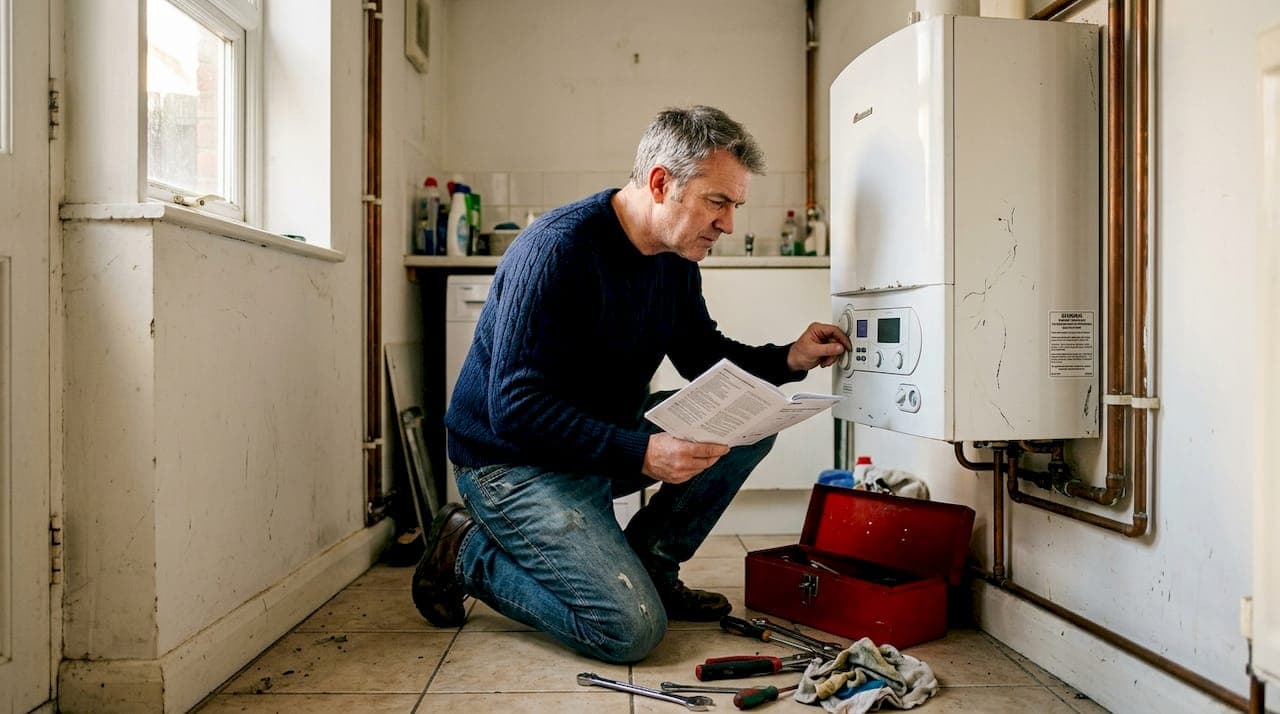
Most boiler problems don't announce themselves with a dramatic bang or a sudden breakdown. They creep in quietly, a slightly cooler radiator here, a small pressure drop there, until one cold morning you're left with no heating and an expensive repair bill. 1 in 5 UK boilers break down every year, and many of those failures could have been caught earlier. This guide will help you recognise the warning signs, understand what they mean, and know exactly when to pick up the phone and call a professional.
Table of Contents
- Common signs your boiler has a fault
- Diagnosing noises, smells, and leaks
- Understanding error codes and loss of heat
- When to fix, when to call a Gas Safe engineer
- Why most homeowners miss hidden boiler faults (and how to change it))
- Need rapid boiler help in Thames Valley?
- Frequently asked questions
Key Takeaways
| Point | Details |
|---|---|
| Subtle signs matter | Problems like odd noises or drops in pressure often mean bigger issues are ahead. |
| DIY is limited | Only basic checks, such as a single reset or topping up pressure, are safe for homeowners. |
| Call professionals promptly | Leaks, unusual smells, persistent faults, or old boilers demand Gas Safe engineers. |
| Hard water risks | Thames Valley limescale raises breakdown risk—regular servicing is essential. |
| Emergency actions save lives | If you smell gas or spot a yellow flame, act fast and seek expert help. |
Common signs your boiler has a fault
It's tempting to think that only dramatic symptoms mean something is seriously wrong. In reality, the most damaging faults often start small and are easy to dismiss. Knowing what to look for can save you from a full breakdown, a hefty repair bill, or worse, an unsafe heating system.
Here are the key symptoms to watch for:
- Low pressure: Low boiler pressure below 1.5 bar is one of the most common causes of lockouts, leaving you with no heating or hot water.
- Leaks: Leaks around your boiler signal corrosion, high pressure, or faulty seals and valves. These need an engineer immediately.
- Odd noises: Banging, whistling, or gurgling sounds are not normal operating sounds.
- Cold radiators: If some or all radiators are cold, it points to circulation or pump issues.
- Error codes: A fault code on your boiler display is your system telling you something specific is wrong.
- Discoloured flame: A yellow or orange flame instead of a crisp blue one is a serious warning sign.
For Thames Valley homes, hard water adds an extra layer of risk. Limescale builds up inside heat exchangers and pipes faster here than in softer water areas, accelerating wear and reducing efficiency. Keeping an eye on your boiler maintenance checklist is especially important in this region.
| Symptom | Likely cause | Safe DIY? | Call a pro? |
|---|---|---|---|
| Low pressure | Leak or expansion vessel fault | Top up once | Yes, if it drops again |
| Leak from boiler | Faulty seal, corrosion, or valve | No | Immediately |
| Cold radiators | Air lock or sludge | Bleed radiators | If bleeding fails |
| Yellow flame | Incomplete combustion | No | Immediately |
| Error code on display | Various faults | Check manual | If reset fails |
| Banging or kettling | Limescale or sludge | No | Yes |
Pro Tip: If your boiler loses pressure repeatedly after you top it up, this is rarely a coincidence. It almost always points to a leak somewhere in the system or an internal fault that needs a qualified engineer to investigate.
If you're ever unsure about the right immediate steps, reviewing boiler emergency actions from a trusted source can help you respond safely.
Diagnosing noises, smells, and leaks
Spotting physical signs is key, but often it's odd sounds, smells, or leaks that offer the most urgent clues. Learning to tell them apart can mean the difference between a quick fix and an emergency call-out.
Noises decoded:
Unusual boiler noises each have a distinct meaning. Kettling, that high-pitched sound like a boiling kettle, is particularly common in Thames Valley homes because of limescale buildup on the heat exchanger. Banging usually means air or sludge in the system. Gurgling points to trapped air or a frozen condensate pipe in colder months. Whistling can indicate restricted water flow.
Here's a quick guide to urgent versus non-urgent sounds and leaks:
Non-urgent (but worth monitoring):
- Occasional gurgling after bleeding radiators
- Mild ticking as pipes expand with heat
- Low-level hum from the pump
Urgent (act now):
- Loud banging or kettling that is new or worsening
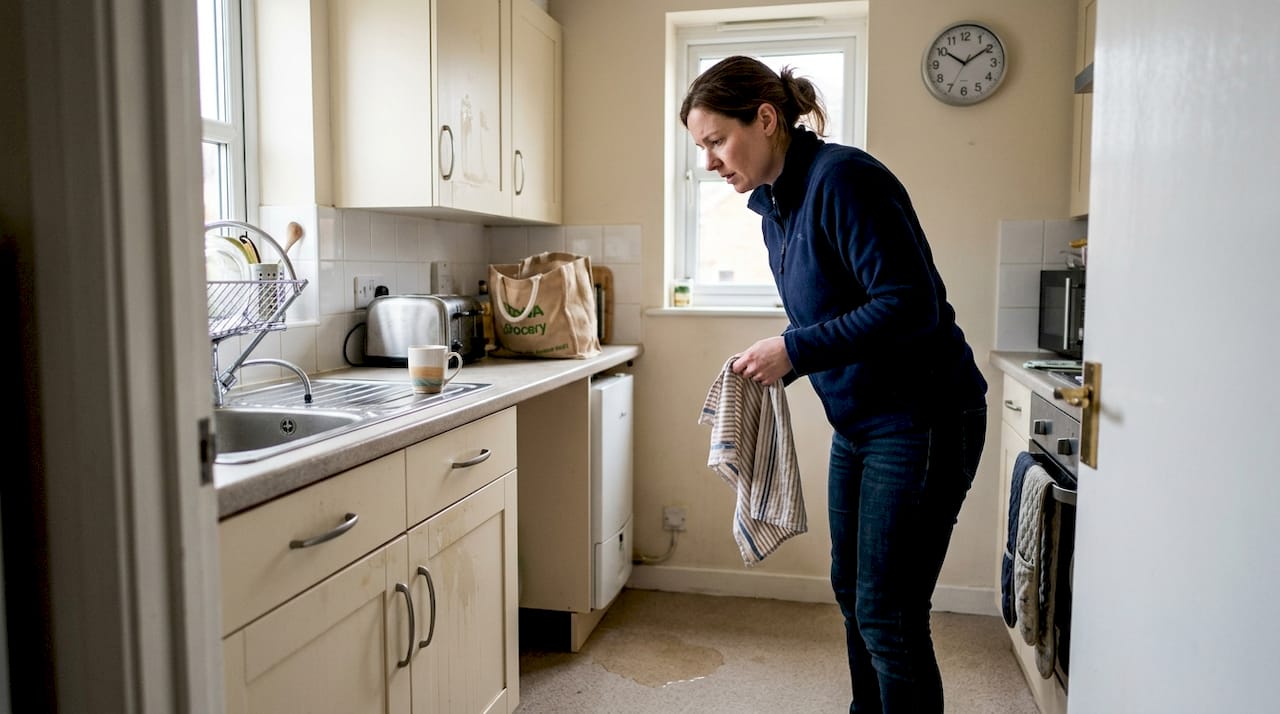
- Any visible leak from the boiler body or nearby pipes
- Hissing sounds from pipework
- A sulphur or rotten egg smell near the boiler
That last point deserves special attention. A sulphur or egg-like smell is a strong indicator of a gas leak. Do not ignore it, do not switch any electrical appliances on or off, and do not attempt to investigate it yourself.
National Gas Emergency number: 0800 111 999. If you smell gas, call this number immediately, leave the property, and ventilate the area by opening windows and doors. Gas smell is an emergency and must be treated as one.
For leaks, the rule is straightforward. Switch off the boiler's power supply, isolate the water supply if you can, and call a professional. Leaks can cause electrical damage, structural issues, and mould growth if left even briefly. Understanding boiler service safety helps you make better decisions in these moments.
Pro Tip: Sudden leaks from the boiler or pipes should never be tackled as a DIY job. Always switch off power, isolate the water supply, and call a professional straight away.
For more detail on specific faults and what causes them, boiler problems explained is a useful reference. And if you're wondering who to trust with the repair, understanding why Gas Safe engineers matter and what heating engineers actually do will give you confidence in choosing the right person.
Understanding error codes and loss of heat
Beyond physical symptoms, modern boilers communicate faults with error codes and heat loss. Here's how to decode them.
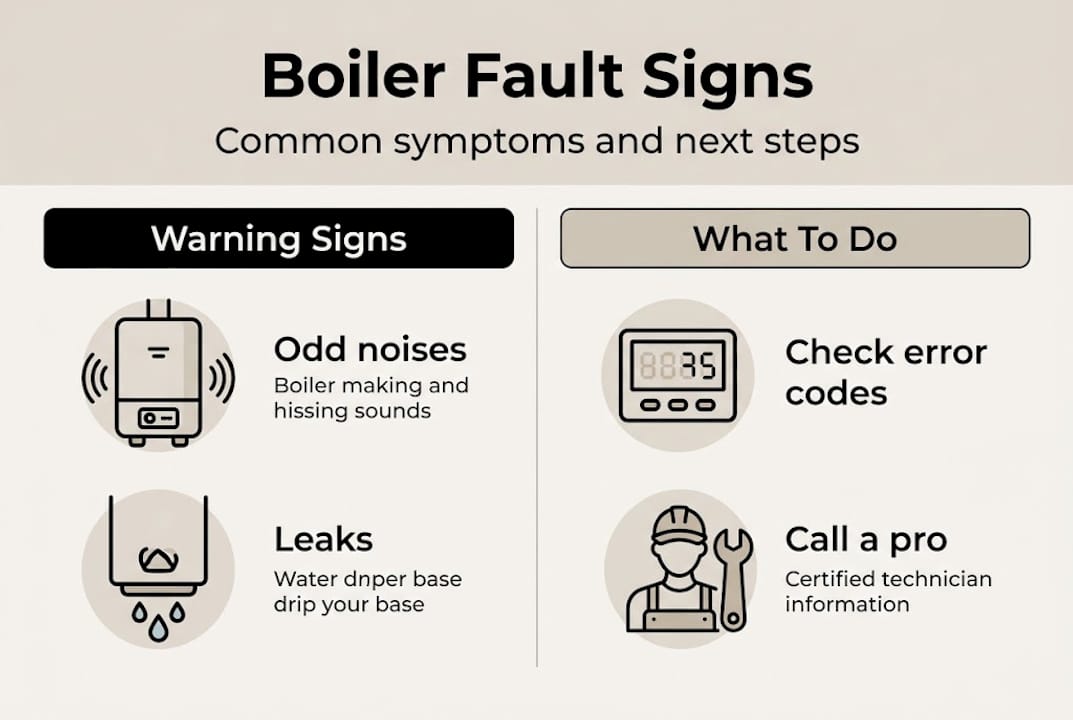
Error codes such as F28 or F29 narrow a fault down to specific areas, such as ignition problems, gas supply issues, low pressure, or drainage blockages. They're your boiler's way of telling you exactly where to look, rather than leaving you guessing.
| Error code type | What it usually means | Safe step to try | Call an engineer? |
|---|---|---|---|
| Ignition fault (e.g. F28) | Gas supply or ignition issue | Check gas meter is on | Yes, if it persists |
| Pressure fault | System pressure too low or high | Repressurise if low | Yes, if it recurs |
| Sensor fault | Temperature sensor failure | Reset once | Yes |
| Drainage/condensate fault | Frozen or blocked condensate pipe | Thaw pipe carefully | Yes, if unclear |
| Flame loss | Pilot light or gas issue | Reset once | Yes, if it returns |
A single reset is sometimes fine. Your boiler manual will tell you how to do it safely. But repeated resets without resolving the underlying fault can mask a serious problem and, in some cases, create a safety risk. If the error code returns after one reset, that's your signal to call an engineer.
If you lose heat or hot water, work through these steps before calling for help:
- Check your thermostat is set correctly and hasn't been accidentally turned down.
- Confirm the timer or programmer is set to the right schedule.
- Check the boiler pressure gauge. No heating or hot water can often be traced to low pressure, a faulty diverter valve, or a pump fault.
- Bleed your radiators if some are cold at the top.
- Check whether your condensate pipe may be frozen if temperatures have dropped overnight.
If none of these steps restore heat, the fault likely lies with internal components such as the diverter valve, pump, or ignition system. These are not DIY territory. For a clear overview of what to do next, the steps for heating repair guide walks you through the process. You can also consult a boiler not igniting guide for ignition-specific faults.
When to fix, when to call a Gas Safe engineer
While some issues can be safely checked, others demand specialist intervention. Here's how to tell the difference clearly.
What you can safely do yourself:
- Reset the boiler once, following the manufacturer's manual
- Top up the boiler pressure using the filling loop
- Bleed radiators to remove trapped air
- Check and adjust the thermostat and timer settings
- Thaw a frozen condensate pipe using warm water
What must be left to a Gas Safe registered engineer:
- Any fault involving gas supply or combustion
- Persistent leaks that don't stop after isolating the water supply
- A yellow or orange flame on the boiler
- Repeated error codes that return after resetting
- Any smell of gas or burning near the boiler
For Thames Valley homeowners, there's an additional consideration. Hard water means limescale accumulates faster inside your boiler than in other parts of the country. Professional descaling and inhibitor treatments are not optional extras here. They're part of keeping your system running safely and efficiently. You can read more about spotting plumbing leaks early and leak repair basics to understand the broader picture.
Seek professional help if resets fail repeatedly, if smells or leaks persist, if error codes keep returning, or if your boiler is over ten years old and faults are becoming more frequent.
Pro Tip: If your boiler is over 10 years old and you're calling for repairs more than once a year, it's worth getting a quote for a replacement. A new, efficient system often costs less over five years than repeated repairs on an ageing one. Boiler replacement advice from Which? is a good starting point.
Legal clarity matters here too. Attempting to work on gas fittings or combustion systems without Gas Safe registration is illegal and extremely dangerous. This is a firm line, not a suggestion.
Why most homeowners miss hidden boiler faults (and how to change it)
Here's something we've noticed after years of responding to heating emergencies across the Thames Valley: most faults don't start with a bang. They start with a slightly higher gas bill, a boiler that fires up and shuts off more than it should, or a radiator that never quite gets warm. These are easy to ignore, and most people do.
The cultural habit of waiting until the heat fails before calling anyone is understandable but costly. Annual servicing prevents around 80% of faults, and in Thames Valley, where hard water accelerates limescale damage, this is even more critical than the national average suggests.
The homeowners who avoid emergency call-outs are not lucky. They're the ones who book their annual service, add inhibitor to their system, and act on small signs rather than waiting for a crisis. Shifting from reactive to preventative thinking is the single biggest change you can make for your boiler's long-term health. Explore the benefits of annual servicing to understand exactly what you gain from that one annual appointment.
Need rapid boiler help in Thames Valley?
Recognising the signs is half the battle. Swift expert repairs keep your home warm and safe, especially during the colder months when a fault can escalate quickly.

At 999Plumber.co.uk, we offer emergency boiler repairs across the Thames Valley, 24 hours a day, 7 days a week, with no call-out charge and a no fix no fee guarantee. Whether you need central heating repairs or you're searching for a reliable emergency plumber in Newbury, our Gas Safe engineers are ready to respond fast. Don't wait for a small fault to become a full breakdown. Book online or call us now for straightforward, local help you can trust.
Frequently asked questions
What does it mean if my boiler pressure is always low?
Constantly low boiler pressure usually means there is a leak somewhere in the system or a fault with the expansion vessel. If topping up doesn't hold, call an engineer.
Is it safe to reset my boiler more than once?
You should only try a single reset as described in your manual. Repeated resets can be unsafe and are a clear sign that an engineer needs to investigate the underlying fault.
What should I do if I smell gas near my boiler?
Turn off your gas supply at the meter, open windows to ventilate, and call 0800 111 999 immediately. Do not touch any electrical switches and leave the property.
Can Thames Valley's hard water really cause more boiler faults?
Yes. Limescale from hard water causes kettling, reduces efficiency, and leads to more frequent breakdowns. Thames Valley hard water makes annual servicing and inhibitor treatment especially important in this region.
How often should I get my boiler professionally serviced?
Book a professional service at least once a year. Annual servicing significantly reduces breakdown risk and helps keep your boiler warranty valid.