TL;DR:
- Quick action with proper tools can prevent costly water damage during plumbing emergencies.
- Regular maintenance and inspections help homeowners avoid unexpected plumbing crises.
- Professional plumbers are essential for diagnosing and fixing persistent or serious plumbing problems.
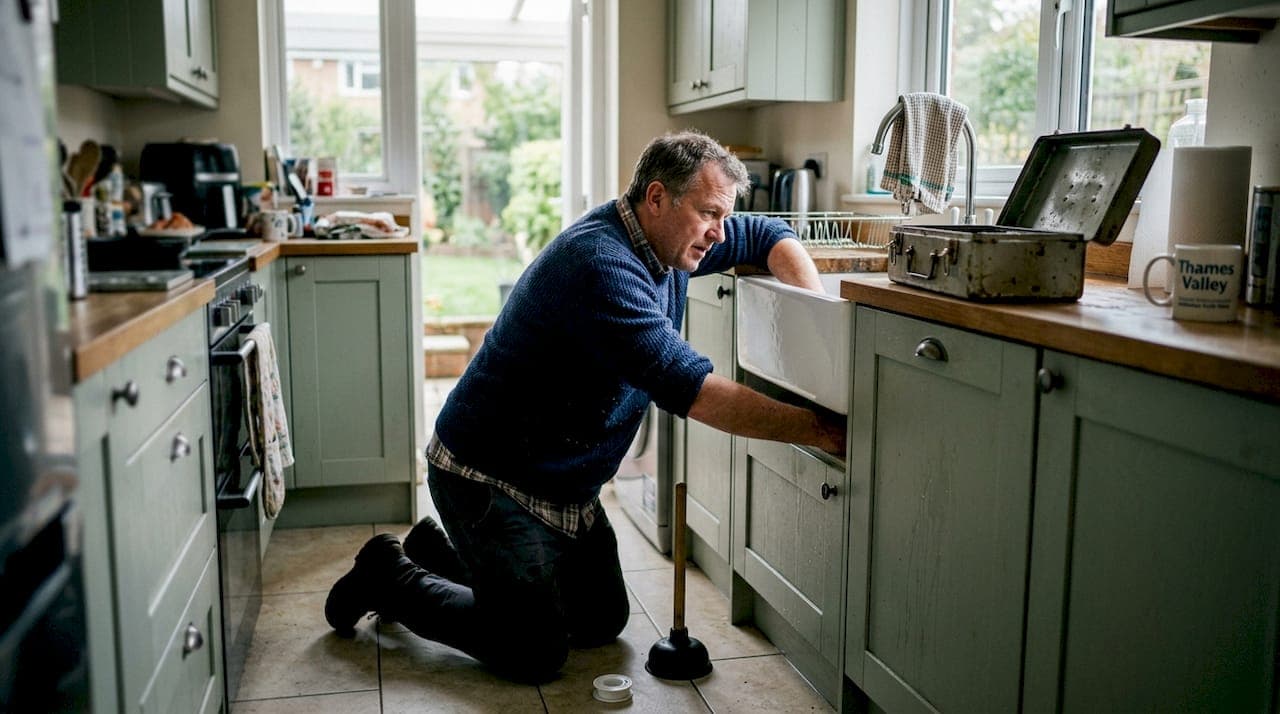
A burst pipe or blocked drain never picks a convenient moment. One minute you're making breakfast, and the next there's water creeping across your kitchen floor. For homeowners across the Thames Valley, knowing what to do in those first frantic minutes can be the difference between a minor inconvenience and a costly repair bill. This guide walks you through the tools you need, the fixes that actually work, and the warning signs that tell you it's time to call in a professional. Whether you're in Reading, Newbury, or anywhere in between, these practical steps are written for your home.
Table of Contents
- Essential tools and supplies for fast plumbing repairs
- Step-by-step guide: fixing blocked drains and minor leaks
- Troubleshooting common problems and avoiding costly mistakes
- Keeping your home safe: preventing future plumbing emergencies
- Why fast fixes matter: an expert's view on DIY plumbing
- Trusted help for plumbing emergencies when you need it
- Frequently asked questions
Key Takeaways
| Point | Details |
|---|---|
| Basic tools matter | Having simple plumbing tools and safe supplies at home can help you solve urgent problems quickly. |
| Simple steps work | Most blockages and leaks can be tackled fast with non-chemical methods and a bit of know-how. |
| Know your limits | DIY fixes are great for small jobs, but call an expert if the problem persists or you’re unsure. |
| Prevention saves money | Regular inspections and care prevent costly plumbing emergencies later. |
Essential tools and supplies for fast plumbing repairs
Before you can fix anything, you need the right kit to hand. Rummaging through a cluttered cupboard while water is spreading across your floor is not a situation anyone wants. Putting together a small, organised plumbing kit now means you can act fast when it counts.
Here are the core items every Thames Valley homeowner should keep at home:
- Plunger (both a cup plunger for sinks and a flange plunger for toilets)
- Adjustable spanner for tightening or loosening fittings
- Plumber's tape (also called PTFE tape) for sealing threaded joints
- Bucket and old towels to contain water and protect floors
- Drain snake (also called a plumber's auger) for deeper blockages
- Baking soda and white vinegar as a safe, eco-friendly drain treatment
These supplies are inexpensive and widely available from any DIY shop. The eco-friendly option of baking soda and vinegar is worth noting. Clogged drains can be fixed by plunging, using baking soda and vinegar, or a drain snake, and avoiding chemical cleaners prevents pipe damage over time.
Speaking of chemical cleaners, they are one of the most common mistakes homeowners make. They can corrode older pipes, damage seals, and create a hazardous situation if mixed accidentally. Stick to mechanical and natural methods.
| Tool | Cost (approx.) | Best used for |
|---|---|---|
| Cup plunger | £5 to £10 | Sink and bath blockages |
| Flange plunger | £8 to £15 | Toilet blockages |
| Adjustable spanner | £10 to £20 | Tightening pipe fittings |
| Drain snake | £15 to £35 | Deep or stubborn blockages |
| Plumber's tape | £2 to £5 | Sealing threaded joints |
| Baking soda and vinegar | Under £3 | Mild drain maintenance |
Organisation matters just as much as the tools themselves. Keep your kit in a single bag or box, stored somewhere accessible, ideally under the kitchen sink or in a utility cupboard. Understanding the broader emergency plumbing workflow before a crisis hits will also help you stay calm and methodical.
Pro Tip: Invest in a quality rubber plunger rather than a cheap plastic one. A firm seal makes all the difference when you're trying to shift a stubborn blockage. Store it upright in a clean bucket so it's always ready.
Step-by-step guide: fixing blocked drains and minor leaks
With your tools ready, let's get into the actual fixes. The two most common urgent plumbing problems in the home are blocked drains and minor leaks. Both are manageable if you act quickly and follow the right steps.
Safety first. Before touching any pipe or fitting, turn off the water supply. The stopcock (the main shut-off valve) is usually found under the kitchen sink or where the water main enters your home. Know where yours is before you ever need it.
Fixing a blocked drain:
- Remove any visible debris from the drain opening using gloved hands or tweezers.
- Place the plunger over the drain, ensuring a firm seal, and pump vigorously 10 to 15 times.
- If the blockage remains, pour half a cup of baking soda down the drain, followed by half a cup of white vinegar. Cover the drain and wait 15 minutes, then flush with hot water.
- For deeper blockages, feed the drain snake slowly into the pipe, rotating it until you feel resistance, then pull back to clear the obstruction.
- Avoid chemical cleaners entirely, as they can damage older pipes and are unsafe to handle without proper protection.
Fixing a minor leak:
- Turn off the water supply immediately.
- Dry the pipe and the surrounding area with a towel.
- Tighten any loose fittings gently with an adjustable spanner. Do not overtighten.
- Wrap plumber's tape around threaded joints to create a temporary seal.
- Restore the water supply slowly and check for drips. For more detailed guidance on this, our article on repairing leaking pipes covers the process step by step.
| Method | Best for | Limitations |
|---|---|---|
| Plunging | Surface blockages | Won't shift deep obstructions |
| Baking soda and vinegar | Mild build-up and odours | Not effective on solid blockages |
| Drain snake | Deep or stubborn clogs | Requires some physical effort |
| Plumber's tape | Threaded joint leaks | Temporary fix only |
| Tightening fittings | Loose connections | Only works if fitting is accessible |
Remember: A temporary fix buys you time, but it is not a permanent solution. If the problem returns within a few days, the underlying cause needs professional attention.
Pro Tip: When using baking soda and vinegar, always cover the drain immediately after adding the vinegar. The fizzing reaction is what breaks down the build-up, and covering the drain forces that reaction downward rather than up and out.
Troubleshooting common problems and avoiding costly mistakes
Even with the best intentions, DIY plumbing repairs can go wrong. Knowing what to watch for after a fix is just as important as making the repair itself.
Signs that a bigger problem is lurking:
- A drain that blocks repeatedly within days or weeks, suggesting a deeper obstruction or a structural issue in the pipe
- A leak that returns after tightening, indicating a damaged fitting or corroded pipe
- Damp patches appearing on walls or ceilings, which can point to a hidden leak behind plasterwork
- Gurgling sounds from drains after flushing a toilet, often a sign of a shared drainage problem
- A persistent smell of damp or mould, even when no visible leak is present
The most common DIY mistakes we see are overtightening fittings (which can crack plastic components or strip threads), using the wrong type of sealant for the pipe material, and ignoring small damp patches in the hope they'll resolve themselves. They rarely do.
Important: If you notice water stains spreading across a ceiling or wall, do not wait. Turn off the water and call a professional. Structural water damage escalates quickly and is far more expensive to fix than the original leak.
After completing any repair, always dry the area thoroughly and wait at least 30 minutes before checking for new drips. Identifying leaks early is one of the most effective ways to keep repair costs low and avoid disruption to your household.
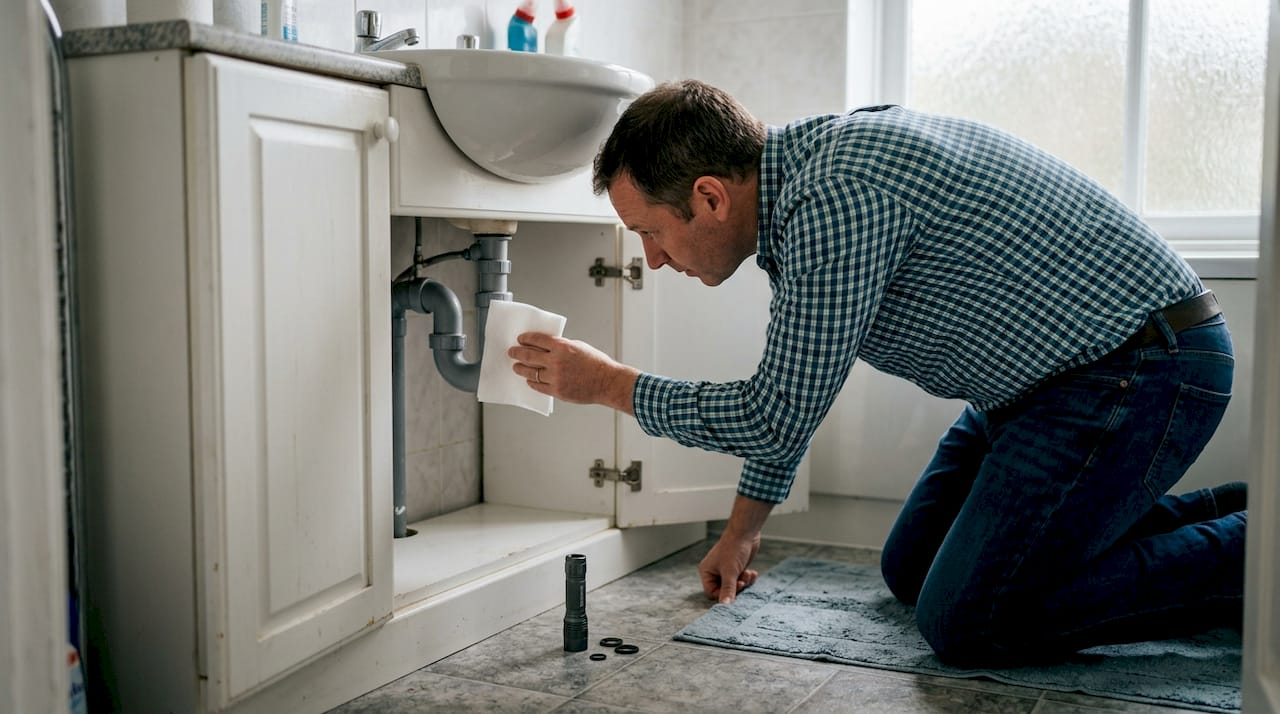
Pro Tip: Keep a piece of dry tissue or kitchen roll near the repaired area for an hour after restoring the water supply. Even a very slow drip will show up on the tissue long before it becomes visible to the eye.
Knowing when to stop is a skill in itself. If you have tried the standard fixes and the problem persists, or if you are unsure about what you are looking at, stepping back and calling a qualified engineer is always the right call. There is no shame in it, and it can save you a great deal of money.
Keeping your home safe: preventing future plumbing emergencies
The best plumbing repair is the one you never have to make. A small amount of regular attention to your home's plumbing can prevent the vast majority of urgent callouts.
Simple habits that make a real difference:
- Inspect under sinks and around appliances such as washing machines and dishwashers once a month. Look for moisture, discolouration, or soft flooring.
- Fit mesh strainers over plug holes in the kitchen and bathroom to catch hair, food debris, and other material before it enters the drain.
- Clear slow-draining sinks promptly using the baking soda and vinegar method rather than waiting for a full blockage to develop.
- Check visible pipework in your loft or under the stairs before winter, as frozen pipes are one of the most preventable causes of water damage in Thames Valley homes.
- Look for new stains or damp patches on ceilings and walls after heavy rainfall, as these can indicate roof or external plumbing issues.
- Keep the area around your stopcock clear so you can reach it instantly in an emergency.
Following a clear set of emergency plumbing steps when something does go wrong will also help you minimise damage while you wait for help. And if your home has a boiler, working through a regular boiler maintenance checklist each year is one of the smartest things you can do to protect your heating system and avoid expensive breakdowns.
Statistic: Routine home maintenance, including regular plumbing checks, can reduce the likelihood of emergency repairs by a significant margin and save homeowners hundreds of pounds annually.
Consistency is what makes preventive maintenance work. Doing a five-minute check once a month takes almost no time, but it builds a clear picture of what is normal in your home. When something changes, you will notice it early.
Why fast fixes matter: an expert's view on DIY plumbing
There is a tendency in some circles to dismiss DIY plumbing as risky or unnecessary. We disagree, but with an important caveat. The ability to act quickly in the first moments of a plumbing emergency is genuinely valuable. Turning off the water supply, plunging a blocked drain, or applying temporary tape to a leaking joint can prevent hundreds of pounds of water damage while you wait for a professional.
What we have seen repeatedly, though, is homeowners pushing DIY too far. A persistent leak is not a challenge to be conquered with more tape. A drain that blocks every two weeks is telling you something is wrong deeper in the system. The value of professional plumbers is not just technical skill. It is the diagnostic ability to find the actual cause of a problem, not just its most visible symptom.
The strongest position for any Thames Valley homeowner is this: learn the basics, keep the right tools at hand, and know exactly when to hand over to someone who does this every day. That combination gives you control without the risk of making a manageable problem significantly worse.
Trusted help for plumbing emergencies when you need it
Sometimes a plunger and some plumber's tape simply are not enough. When a problem goes beyond what you can safely handle at home, you need a local engineer who can be with you fast and get it sorted without fuss.

At 999Plumber.co.uk, we cover the Thames Valley around the clock, with no call-out charges and a no fix no fee promise. Whether you need an emergency plumber in Newbury or want to book a plumber online for a same-day visit anywhere in the region, our experienced engineers are ready to help. We keep things simple, transparent, and stress-free, because that is exactly what you need when something goes wrong at home.
Frequently asked questions
What is the safest way to unblock a kitchen sink at home?
Plunging or baking soda and vinegar are the safest methods for unblocking a kitchen sink. Avoid chemical drain cleaners, as they can corrode pipes and create safety hazards.
How can I temporarily stop a small pipe leak before calling a plumber?
Switch off your water supply at the stopcock, dry the pipe thoroughly, and wrap plumber's tape around the affected joint. This buys time until a qualified engineer can make a permanent repair.
How often should I check for leaks or damp patches in my home?
A monthly inspection under sinks, around appliances, and along visible pipework is a sensible routine. Catching a small damp patch early is far cheaper than dealing with the aftermath of a hidden leak.
When is a plumbing issue too serious for DIY fixes?
If a leak returns after repair, a drain blocks repeatedly, or you notice water stains spreading across walls or ceilings, contact a professional immediately rather than attempting further DIY work.