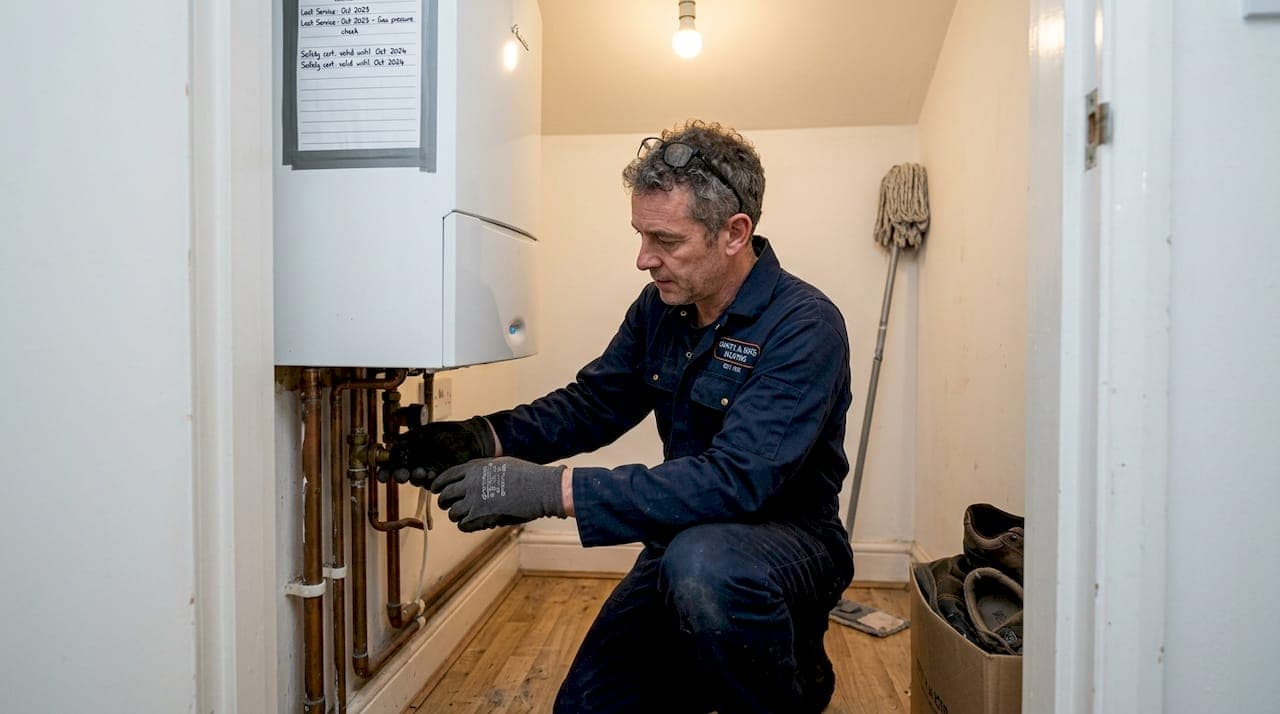
TL;DR:
- Unqualified heating work risks gas leaks, carbon monoxide poisoning, and system failures.
- Professional servicing reduces energy bills, maintains warranties, and extends system lifespan.
- Certified engineers provide guarantees, insurance, and safety compliance, ensuring reliable and safe heating.
Plenty of Thames Valley homeowners assume that a handy neighbour, a quick YouTube tutorial, or a cheap local odd-job worker is all they need when the heating plays up. It's a tempting belief, especially when budgets are tight. But heating systems are complex, regulated, and capable of causing serious harm when handled by anyone who isn't properly qualified. This guide sets out exactly why professional heating engineers are worth every penny, covering the safety risks of unqualified work, the real financial benefits of proper maintenance, and the reassurance that comes with certified, guaranteed service.
Table of Contents
- Why expertise matters: The risks of unqualified work
- Saving money the smart way: Cost, efficiency and lasting value
- Peace of mind and reliability: The value of professional guarantees
- When to call a professional: Red flags and practical scenarios
- The hidden costs of shortcuts: What Thames Valley homeowners miss
- Professional heating support in Thames Valley: Your next step
- Frequently asked questions
Key Takeaways
| Point | Details |
|---|---|
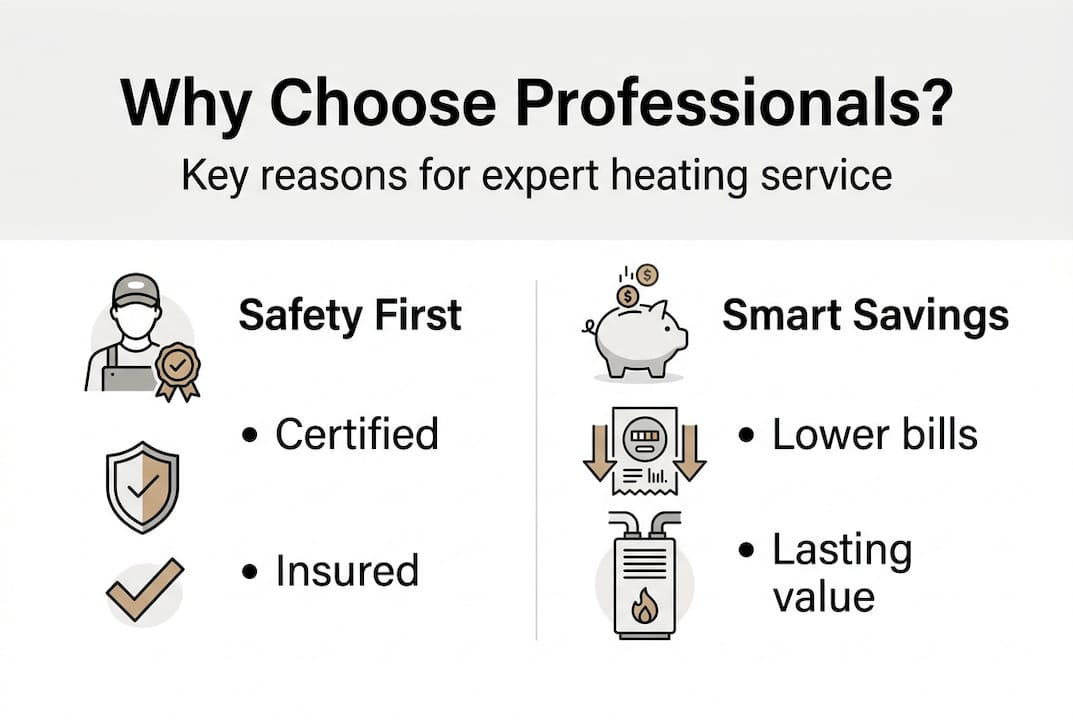
| Certified safety | Only qualified engineers can guarantee compliance and protect your home from hazardous faults. |
| Long-term savings | Expert repairs and maintenance boost heating efficiency and reduce energy costs over time. |
| Reliable guarantees | Professional engineers provide robust warranties and support, giving homeowners lasting confidence. |
| Clear red flags | Strange sounds, leaks, or inconsistent warmth signal it's time for professional help. |
Why expertise matters: The risks of unqualified work
Heating systems aren't like a dripping tap or a squeaky floorboard. They involve gas lines, pressurised water circuits, flues, and electrical components that interact in ways that can turn a minor fault into a serious hazard. Getting it wrong doesn't just mean a cold house. It can mean a gas leak, carbon monoxide poisoning, or a fire.
In the UK, anyone working on gas appliances must by law be Gas Safe registered. This isn't a recommendation; it's a legal requirement. Gas Safe engineers carry an ID card showing which types of gas work they're qualified to carry out. Working outside those categories, or hiring someone who isn't registered at all, leaves you legally exposed and potentially uninsured.
Common mistakes made by unqualified workers include:
- Incorrect flue installation that allows carbon monoxide to leak indoors
- Over-pressurising sealed systems, creating a risk of rupture
- Poor pipe jointing that leads to slow, concealed water leaks
- Ignoring fault codes that flag underlying system problems
- Bypassing safety controls to get a boiler running quickly
These aren't theoretical risks. The Gas Safe Register has documented how common heating safety risks are often traceable to unqualified service work. Many heating-related safety incidents in UK homes are linked to exactly this kind of intervention.
Carbon monoxide is odourless and colourless. By the time symptoms appear, it may already be too late to act safely.
In the Thames Valley, properties range from Victorian terraces in Reading to newer-build estates in Didcot and Wokingham. Older homes often have outdated systems that require more careful handling. A qualified engineer understands what what heating engineers do means in practice, including how to identify legacy issues that a non-specialist would simply miss.
Professional engineers also carry public liability insurance. If something goes wrong during the work, you're covered. With an unqualified worker, you have no such protection, and any damage they cause becomes your problem entirely.
Saving money the smart way: Cost, efficiency and lasting value
Understanding the dangers of unqualified work, let's consider the financial upside of choosing qualified professionals.
The most common mistake homeowners make is treating heating maintenance as an optional expense rather than a money-saving investment. The logic of "if it's not broken, don't fix it" sounds reasonable until your boiler breaks down in January and you're facing an emergency call-out plus the cost of parts that a routine service would have flagged months earlier.
Annual heating bills can drop by up to 15% with proper maintenance, according to the Energy Saving Trust. That adds up to a meaningful saving over a typical heating season, often more than covering the cost of the service itself.
Here's a quick comparison of typical cost scenarios:
| Scenario | Estimated cost | Long-term impact |
|---|---|---|
| Annual boiler service | £80 to £120 | Avoids larger faults, maintains warranty |
| Reactive repair (minor) | £150 to £300 | No prevention benefit |
| Emergency call-out (major) | £400 to £900+ | Often avoidable with servicing |
| Boiler replacement | £2,000 to £4,500 | Sometimes caused by neglect |
Regular boiler servicing also keeps manufacturer warranties valid. Many boiler warranties require annual servicing by a qualified engineer, and skipping a year can void them entirely, leaving you fully liable for what could be a very costly repair.
Pro Tip: If your boiler is between 8 and 12 years old, ask your engineer to assess its efficiency rating. A well-maintained older boiler often still has years of life left, but one that's been neglected may be working far harder than it should, costing you more every month.
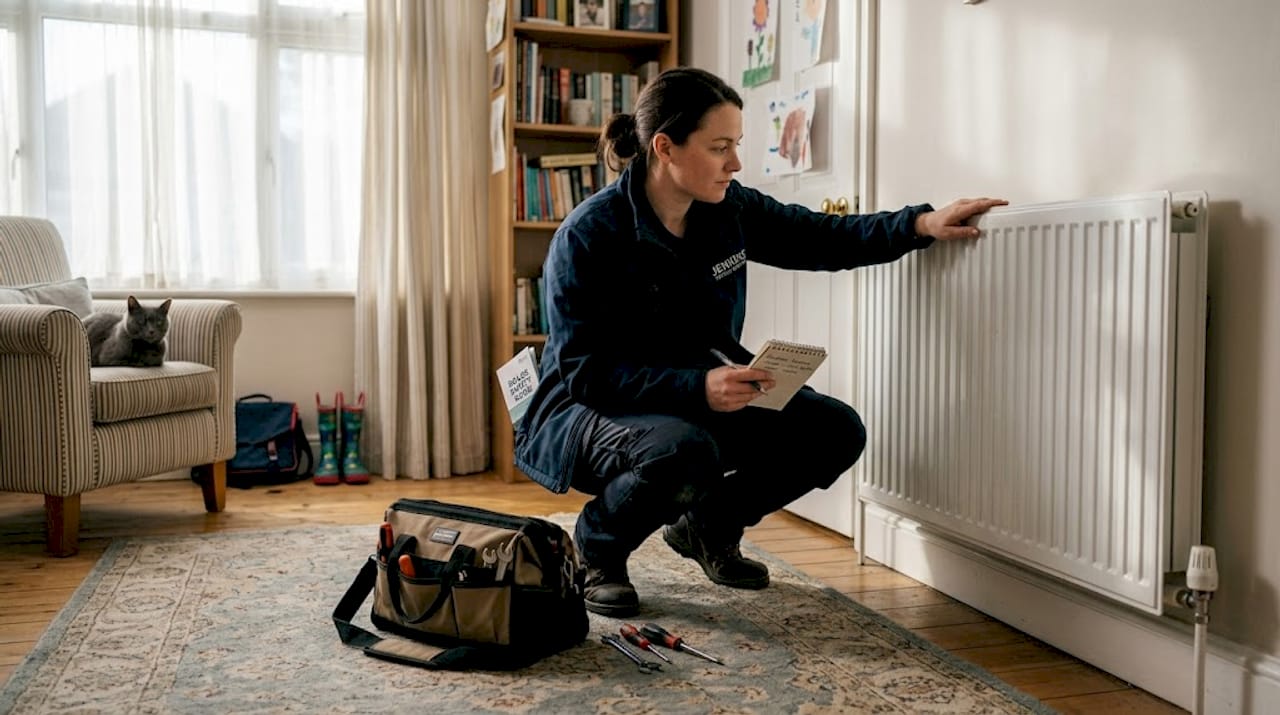
Engineers trained to diagnose heating systems can spot inefficiencies that homeowners simply wouldn't notice: a heat exchanger running hotter than normal, a pump that's slightly undersized for the circuit, or a radiator balance that's pushing the boiler to overwork. Addressing these early, as part of avoiding boiler breakdowns, can meaningfully extend the life of your system.
Peace of mind and reliability: The value of professional guarantees
Beyond money, lasting value comes from the security and support of professional services.
One thing you simply cannot get from an informal fix is a written guarantee. Professional heating engineers back their work with documented assurances: if something fails within the warranty period because of their workmanship, they return and fix it at no extra cost. That's a promise a cash-in-hand worker can't make, and wouldn't honour even if they tried.
The Which? Trusted Traders scheme notes that professional guarantees include insurance and safety certification as standard, something that distinguishes legitimate tradespeople from informal alternatives in a way that really matters when things go wrong.
Comparison at a glance:
| Factor | Accredited engineer | Non-accredited worker |
|---|---|---|
| Legal compliance | Yes (Gas Safe, etc.) | No |
| Public liability insurance | Yes | Rarely |
| Work guarantee | Yes | No |
| Warranty protection | Maintained | Voided |
| Safety documentation | Provided | Not available |
Before hiring any heating engineer, ask these questions:
- Are you Gas Safe registered, and can I see your card?
- Do you carry public liability insurance?
- Will this work be covered by a workmanship guarantee?
- Can you provide a written quote before starting?
- Do you have reviews or references from local clients?
For urgent situations, having access to a reliable local engineer becomes even more critical. Emergency heating repair from a vetted professional means your home is protected and the work is done to a standard you can trust. Local companies with a track record in the Thames Valley also bring practical knowledge of regional building stock, utility providers, and common system types that a national contractor simply may not have.
The boiler service peace of mind that comes with professional certification isn't just reassuring. It's financially protective in ways homeowners often overlook until it's too late.
When to call a professional: Red flags and practical scenarios
With confidence in your engineers and systems, know when it's essential to pick up the phone instead of troubleshooting alone.
Some situations are obvious emergencies. Others are easy to dismiss until they become expensive. Knowing the difference could save you a significant amount of money and keep your household safe.
According to Boiler Guide, unexpected boiler noises, cold spots, and repeated shutdowns all indicate the need for expert intervention. Don't wait to see if the problem resolves itself.
Call an engineer urgently for:
- Any smell of gas near your boiler or pipes
- Carbon monoxide alarm activation
- A boiler that has completely stopped working in cold weather
- Visible water leaking from the boiler or pipes
- A sudden and unexplained drop in system pressure
Call an engineer soon for:
- Banging, kettling, or gurgling noises from the boiler or radiators
- Radiators that are cold at the top but warm at the bottom (or vice versa)
- Repeated pilot light failures or lockout errors
- Unusually high energy bills without a clear cause
Book a routine visit for:
- Annual servicing before the heating season begins
Pro Tip: Intermittent faults are often the trickiest. If your boiler occasionally resets itself or loses pressure and then seems fine, don't ignore it. Intermittent faults frequently signal a deeper problem, such as a failing component or a slow system leak, that will eventually cause a full breakdown at the worst possible time.
Using resources such as spotting boiler faults or keeping up with a boiler maintenance checklist gives Thames Valley homeowners a practical framework for staying ahead of problems before they escalate.
The hidden costs of shortcuts: What Thames Valley homeowners miss
Let's step back and reconsider the long-term impact of decisions homeowners make around heating repairs.
Most homeowners who choose informal fixes aren't being careless. They're being pragmatic, or so they think. A local chap who charges £60 to reset a boiler feels like a win. But what happens six months later when that same boiler develops a fault tied directly to an incorrectly cleared error code? Now you're paying a qualified engineer to undo the damage first, then fix the actual problem.
There's also a subtler risk that most guides never mention: insurance and warranty invalidation. If your home insurance policy requires heating work to be carried out by qualified tradespeople, a claim linked to informal work can be refused outright. That £60 saving could cost you thousands.
Gradual gas or water leaks are particularly dangerous precisely because they don't announce themselves. A slow flue leak, for example, might not trigger your carbon monoxide alarm immediately but can accumulate to dangerous levels over weeks. A qualified engineer inspecting your system as part of the value of regular servicing would identify this. An informal worker, working fast and without a methodical safety check, would almost certainly miss it.
Shortcuts in heating aren't just a false economy. They're a compounding risk that grows quietly until it becomes impossible to ignore.
Professional heating support in Thames Valley: Your next step
If you're ready to stop worrying about your home's heating, here's how Thames Valley homeowners can get expert support straight away.
At 999Plumber.co.uk, we know that heating problems don't follow a convenient schedule. That's why our Gas Safe engineers are available 24 hours a day, 7 days a week, with no call-out charge and a no-fix-no-fee promise that means you're never left out of pocket without results.

Whether you need central heating repairs after a breakdown, want to get ahead of winter with a professional service, or need an emergency call out service right now, we make it straightforward. No confusing quotes, no unexpected charges. Just reliable local engineers who know Thames Valley homes inside out. Ready to book? Book an emergency plumber online in minutes.
Frequently asked questions
What qualifications should a professional heating engineer hold?
A professional heating engineer must be Gas Safe registered for any gas work in the UK, and should also carry public liability insurance and relevant trade certifications.
How often should I have my heating system serviced?
Your boiler and heating system should be serviced every year to maintain safety, preserve efficiency, and comply with warranty requirements, as the Energy Saving Trust recommends for all gas heating systems.
What are signs I need a professional heating engineer?
Watch for leaks, pressure drops, unusual noises, cold radiators, and frequent lockouts. These boiler problems all indicate that a qualified engineer should assess your system without delay.
How does professional maintenance save money?
Regular professional servicing catches faults early, keeps your system running efficiently, and prevents the kind of costly emergency repairs that arise when minor issues are left unaddressed, with efficient maintenance cutting bills by up to 15%.