TL;DR:
- Professional plumbers conduct comprehensive inspections to identify hidden water damage and pipe issues.
- Hiring certified plumbers ensures safety, quality work, and protects home insurance coverage.
- Recognizing warning signs like leaks or low pressure helps prevent costly emergencies.
Most homeowners never think about their plumbing until something goes wrong. But hidden water damage, contaminated pipes, and slow leaks are quietly affecting thousands of homes across the Thames Valley every year. Plumbers improve home safety by catching these invisible threats before they escalate into genuine emergencies. A reliable plumber is not just someone you call when a tap drips. They are a professional safeguard for your home, your health, and your family's peace of mind. This guide breaks down exactly what skilled plumbers do, when you should call one, and why getting it right the first time matters more than most people realise.
Table of Contents
- What a professional plumber actually does for home safety
- Why approval and certification matter: guarding against rogue plumbers
- Professional plumber or DIY? Comparing outcomes for safety and peace of mind
- When should you call a plumber? Key warning signs and what to expect
- Our take: Safety starts with knowledge, not just tools
- Stay safe with reliable plumbing: your next steps
- Frequently asked questions
Key Takeaways
| Point | Details |
|---|---|
| Certified plumbers boost safety | Hiring approved professionals ensures your home stays safe from leaks and contamination. |
| Routine checks prevent emergencies | Regular inspections catch small problems before they escalate into costly crises. |
| DIY has clear limits | While minor issues can be tackled, certified plumbers are essential for safe, lasting repairs. |
| Spot warning signs early | Recognising leaks or pressure changes can help you take action before serious damage occurs. |
What a professional plumber actually does for home safety
Let's start by outlining exactly what skilled plumbers do to keep your home a safe place to live. The honest truth is that most people underestimate how much a plumber actually covers. It goes well beyond fixing a blocked sink or replacing a washer.
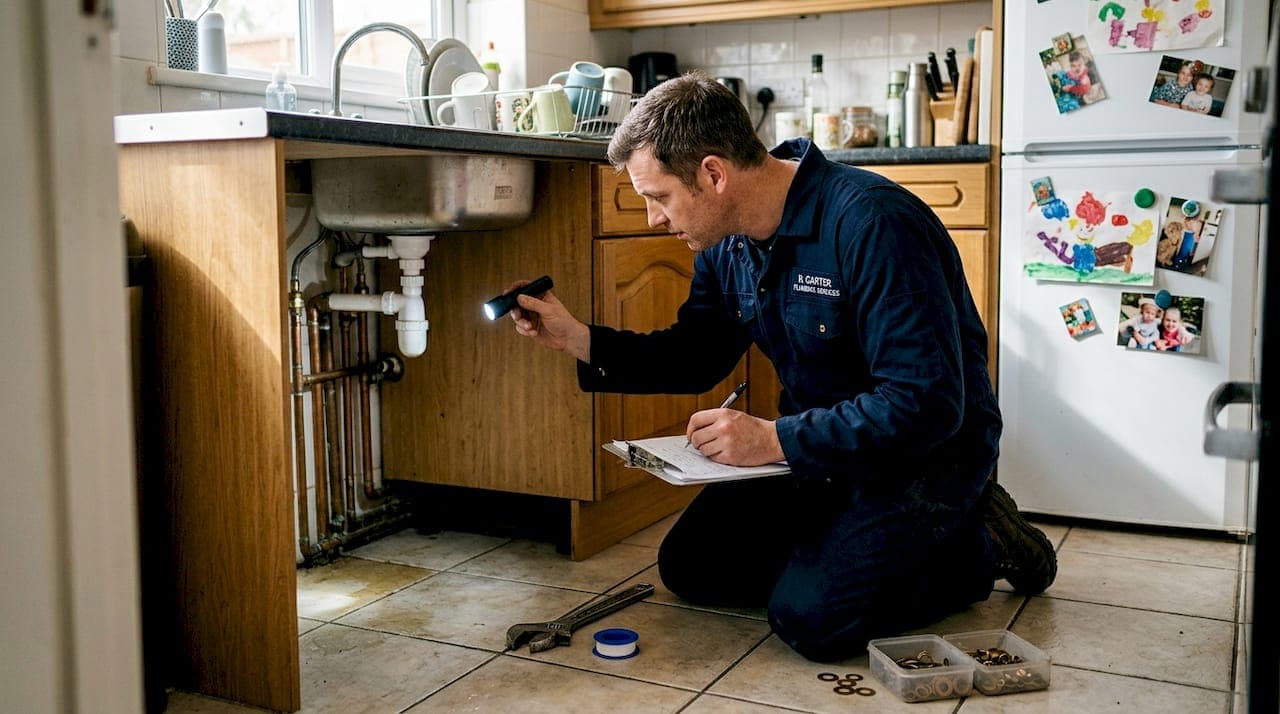
A professional plumber inspects your entire water system, looking for slow leaks behind walls, issues with water pressure, early signs of corrosion in pipework, and potential contamination points. They use specialist diagnostic tools, including camera inspection equipment, to see inside pipes that would otherwise remain invisible. This kind of early detection is where spotting plumbing leaks early pays real dividends, both financially and in terms of safety.
Here are the core safety tasks a qualified plumber handles during a professional visit:
- Checking all visible and accessible pipework for corrosion, damage, or poor connections
- Inspecting the water heater and boiler for safe operation and efficiency
- Testing water pressure and flow rates throughout the property
- Examining sewage and waste lines for blockages or backflow risks
- Identifying any cross-connections that could allow contaminated water into the supply
- Reviewing pipe insulation, especially before winter
- Checking outdoor taps, stopcock access, and emergency shut-off points
These plumber safety tasks are standard practice for experienced engineers, yet many homeowners go years without having a single inspection carried out. The result is systems that quietly deteriorate until a minor issue becomes a major crisis.
It is also worth thinking about how plumbing fits into your wider home safety picture. Much like home safety improvements such as stair lifts and smoke alarms, professional plumbing maintenance is a practical step that protects the people living in your home.
Pro Tip: Schedule a plumbing inspection at least once a year. It costs far less than an emergency call-out and gives you early warning of anything developing beneath the surface.
Why approval and certification matter: guarding against rogue plumbers
Understanding a plumber's responsibilities is only half the story. Trustworthiness and qualifications are just as crucial. Not everyone who calls themselves a plumber has the training or accountability to back it up, and the consequences of hiring the wrong person can be severe.
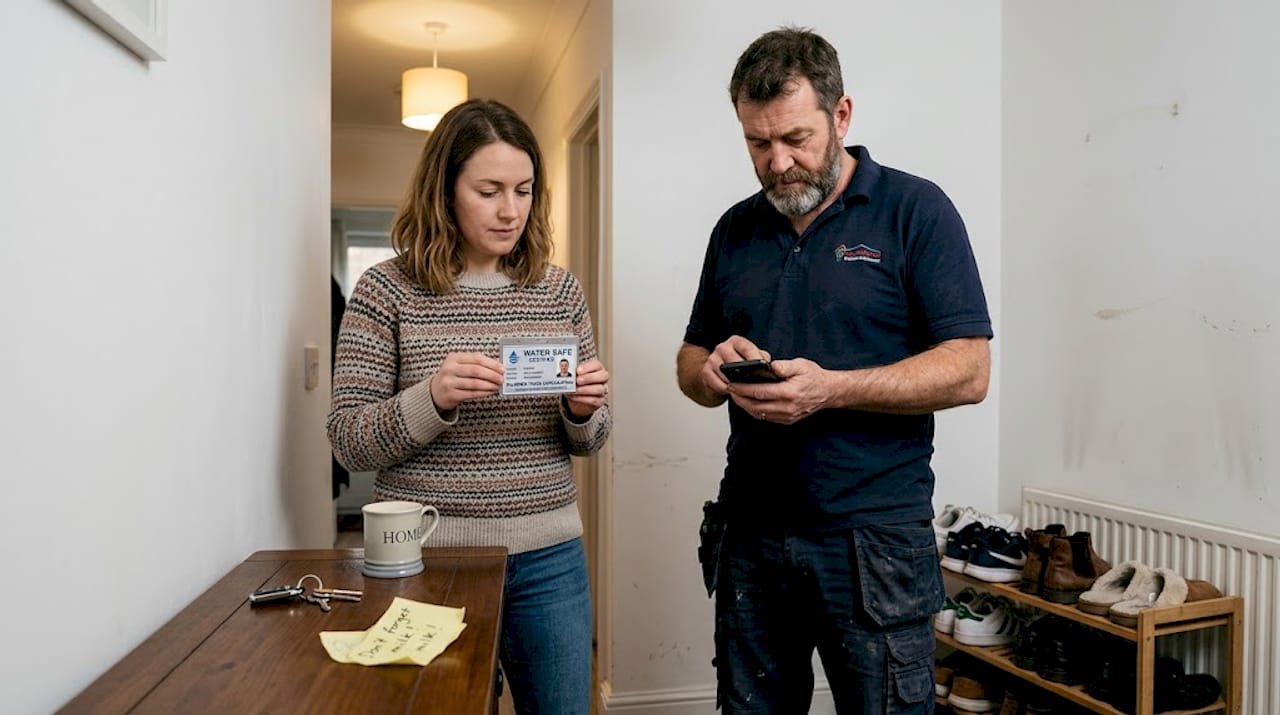
Rogue trader risks include contaminated drinking water, substandard workmanship, and costly leaks that a qualified plumber would have prevented entirely. Approved plumbers are trained to meet industry standards and are held accountable if something goes wrong. Unapproved traders often disappear the moment problems emerge.
Consider the real-world figures. Research suggests that roughly 1 in 5 homeowners have experienced poor plumbing work, with many facing nearly £400 in additional repair costs to fix what an unqualified trader got wrong. Half of those affected reported subsequent leaks or water damage. These are not rare edge cases. They happen regularly across the country.
Here is a clear comparison to help you understand what is at stake:
| Factor | Approved plumber | Rogue or unapproved trader |
|---|---|---|
| Qualifications | Verified and up to date | Unknown or absent |
| Insurance | Full public liability cover | Often uninsured |
| Workmanship guarantee | Yes, accountable for repairs | Rarely offered |
| Risk of water contamination | Very low | High |
| Impact on home insurance | No negative effect | May void your policy |
| Cost if something goes wrong | Covered or resolved | You pay twice |
To verify a plumber before booking, check for membership of a recognised trade body such as the Chartered Institute of Plumbing and Heating Engineering (CIPHE) or WaterSafe approval. Ask for references, check online reviews, and always confirm they carry public liability insurance. Our plumbing surveys explained guide walks through the full process of assessing your plumber's credentials before work begins.
Never accept a quote that pressures you into an immediate decision, and be wary of unusually low prices. If it feels too good to be true, it almost always is.
Professional plumber or DIY? Comparing outcomes for safety and peace of mind
Even when homeowners are committed, many face a big question: fix it yourself, or call the experts? The answer depends heavily on what the problem actually is.
Some tasks are genuinely fine to handle yourself. Replacing a showerhead, tightening a slightly loose fitting, or clearing a blocked drain with a plunger are all reasonable DIY jobs. But the moment a problem involves hidden pipework, structural damage, sewage, or anything gas-related, the risks of getting it wrong far outweigh the savings.
Here is a practical numbered guide to help you decide:
- Replace a showerhead or tap washer — Safe to DIY with basic tools
- Clear a surface-level drain blockage — DIY is fine with the right products
- Fit an isolation valve or stopcock — Borderline; call a plumber if unsure
- Repair a leaking pipe joint — Plumber recommended; hidden complications are common
- Fix a running toilet — DIY possible, but inspect the cistern mechanism carefully
- Investigate low water pressure — Always call a professional; could indicate serious issues
- Any sewage or drainage repair — Never DIY; health and structural risks are significant
- Gas appliance work — Always use a Gas Safe registered engineer, no exceptions
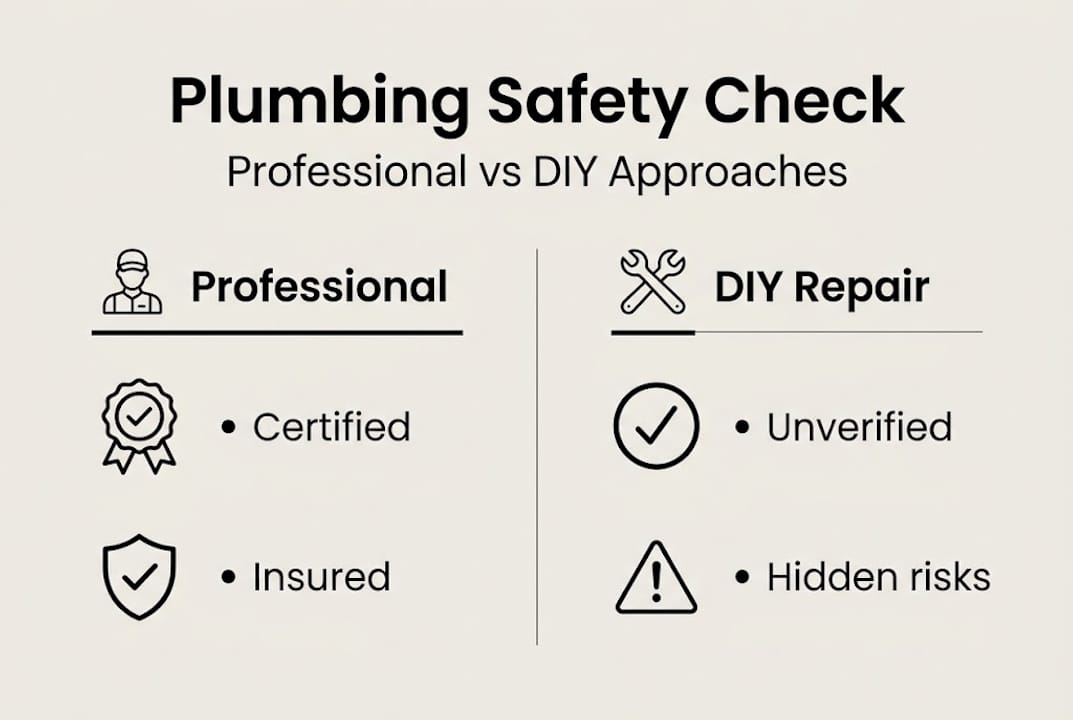
For reference, here is how the two approaches compare across key factors:
| Factor | DIY repair | Professional plumber |
|---|---|---|
| Upfront cost | Low | Higher |
| Risk of hidden damage | High | Very low |
| Insurance validity | May be voided | Fully maintained |
| Long-term cost | Often higher (repeat issues) | Lower (resolved correctly) |
| Speed for complex jobs | Slow and uncertain | Fast with right tools |
As the Neighbourhood Watch guidance makes clear, correct and competent repairs are what determine safety outcomes, not just the immediate fix. Our plumbing DIY guide covers the fixes you can safely do yourself, and our emergency plumbing workflow guide helps you understand what to do when it genuinely cannot wait.
Pro Tip: Never attempt to fix gas-related issues or sewage problems yourself. Always use a certified engineer. The short-term saving is never worth the long-term risk to your health or home.
If you are unsure whether your situation warrants a professional, read our guide on choosing a plumber for Thames Valley homeowners.
When should you call a plumber? Key warning signs and what to expect
Making the right choice depends on knowing when a problem is genuinely urgent. Here is how to recognise the warning signs that you should not ignore.
The following symptoms all warrant a call to a professional plumber:
- Persistent low water pressure throughout the home, not just one tap
- Damp patches on walls, ceilings, or floors with no obvious external cause
- Visible leaks from pipes, joints, or appliances
- Unusual noises such as banging, gurgling, or hissing from pipework
- Foul smells from drains or near the boiler
- Discoloured water at the tap, particularly brown or yellow tones
- Unexplained spikes in your water bill without a change in usage
Any one of these signs could indicate a developing issue that, if left unchecked, may lead to flooding, mould growth, or serious structural damage. Early detection by a plumber prevents small problems from becoming very expensive ones.
When you book a professional visit, here is what to expect. The engineer will carry out a visual inspection first, then run pressure tests and check all accessible pipework. They will communicate clearly what they have found, explain the repair options, and give you an honest assessment before beginning any work. Our team always follows a transparent process, as detailed in our emergency plumbing steps guide.
For anything involving gas, always confirm the engineer is Gas Safe registered before they touch any appliance. It is a legal requirement in the UK, and non-compliance puts lives at risk.
The true value of a plumber extends well beyond the repair itself. It is about knowing that the job is done properly, with no hidden nasties waiting to surface three months later. Our guide on detecting water leaks also helps you stay alert between professional visits.
Pro Tip: Before the engineer arrives, write down every symptom you have noticed, when it started, and whether anything changed recently. This cuts diagnosis time and helps the plumber get to the root cause faster.
Our take: Safety starts with knowledge, not just tools
There is a persistent idea that the right gadget or quick fix is all you need to keep a home safe. Smart leak detectors, pressure gauges, and drain cameras are useful, but they are not a substitute for a trained professional who has seen hundreds of similar problems and knows what lies beneath the surface.
In our experience, the homeowners who avoid plumbing disasters are not the ones with the most expensive equipment. They are the ones who pay attention, act early, and hire qualified local plumbers they can trust. Awareness and timely action are genuinely your most powerful tools.
We also think the DIY versus professional debate misses the point. It is not about pride or saving money. It is about understanding the limits of what you can safely do yourself and being honest about when a job needs someone with real training and accountability. Getting that balance right is what keeps homes safe and families secure long-term.
Stay safe with reliable plumbing: your next steps
Having clear, practical steps makes all the difference. Here is how you can take action today.
If you have noticed any of the warning signs discussed above, or if it has been more than a year since your last plumbing inspection, now is the right time to act. Do not wait for a small issue to become a costly emergency.

At 999Plumber.co.uk, we operate 24/7 across the Thames Valley with no call-out charges and a no fix, no fee promise. You can book an emergency plumber online in minutes. Whether you need an emergency plumber in Newbury at short notice or reliable heating repairs in Newbury, our approved engineers are ready to respond quickly. Protect your home with a team that puts safety and honest service first.
Frequently asked questions
How often should I have my plumbing inspected for safety?
Most experts recommend an annual plumbing check, or every two years for newer systems, to catch hidden risks early. Regular professional inspections are the most reliable way to prevent costly and dangerous problems.
What's the biggest danger of hiring an unqualified plumber?
You risk unsafe repairs that cause leaks, water contamination, and expensive damage, and your home insurance may be voided if the work is not up to standard. Rogue trader risks are well documented and entirely avoidable by verifying credentials first.
Can I fix minor leaks myself or should I always call a plumber?
You can temporarily manage a very small leak, but a plumber should always inspect for hidden damage and confirm that the underlying cause has been properly resolved. Correct, competent repairs are what determine whether a home is truly safe.
What are the warning signs I need to call a plumber immediately?
Look for persistent leaks, low water pressure, foul odours, water stains, or unexplained bill increases. These can all signal serious hidden issues, and early intervention by a plumber prevents minor problems from becoming major ones.